
Building a successful clothing brand involves much more than creating attractive clothing and putting a logo on a product. In today’s competitive fashion industry, brands need a recognisable identity that connects with their audience, communicates their values and makes their products memorable. From independent streetwear labels to established fashion businesses, creating a distinctive appearance is essential for standing out in a crowded marketplace.
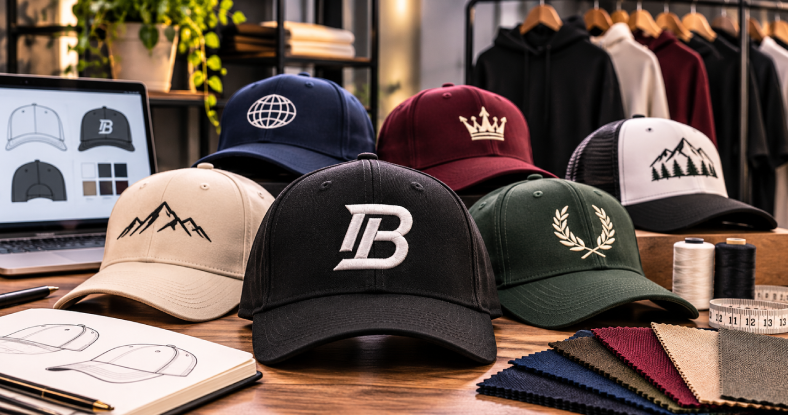
One product that has become increasingly valuable for fashion branding is custom headwear. Custom caps offer clothing brands an excellent opportunity to express their personality, introduce creative designs and develop a consistent visual identity. They are practical, fashionable and suitable for a wide range of audiences, making them an important addition to modern clothing collections.
Whether you are launching a new fashion label, expanding an existing streetwear collection or looking for new promotional merchandise, custom caps can help bring your brand identity to life. With personalised colours, embroidered logos, unique patches and different cap styles, businesses can create headwear that reflects their individual style.
At Custom Caps Maker, we understand that every clothing brand has its own vision. Our custom headwear solutions help businesses, fashion labels, startups and organisations create personalised caps that combine quality, comfort and professional branding.
In this guide, we will explore how clothing brands can use custom caps to develop a unique identity, attract customers, strengthen brand recognition and create products that people genuinely enjoy wearing.
1. Understand What Makes Your Clothing Brand Unique
Before designing custom caps, it is important to understand what makes your clothing brand different from competitors. Every successful fashion label has a personality, a visual direction and a message that connects with its target audience.
Your brand identity should communicate what your business represents and what customers can expect from your products.
For example, a premium fashion label may focus on simplicity, elegant colours and minimal designs. A streetwear brand might prefer bold graphics, oversized lettering and eye-catching embroidery. An outdoor clothing company may choose practical designs, earthy colours and durable materials.
Understanding these differences helps you create custom caps that feel like a natural extension of your clothing collection.
Consider the following elements when developing your brand identity:
- Brand personality: Decide whether your brand represents luxury, streetwear, casual fashion, sportswear or everyday lifestyle clothing.
- Target audience: Understand the age group, interests and fashion preferences of your potential customers.
- Visual identity: Choose consistent colours, typography, logos and graphic elements.
- Brand message: Determine what you want customers to associate with your products.
- Product quality: Select materials and finishes that reflect the standards of your clothing collection.
Once these elements are clear, you can start designing custom branded caps that communicate your identity consistently.
2. Use Custom Caps to Create Strong Brand Recognition
Brand recognition is one of the most important factors in building a successful clothing business. Customers are more likely to remember a brand when they repeatedly see its logo, colours and distinctive design elements.
Custom caps provide an effective way to increase brand visibility through everyday fashion.
Unlike products that are only worn occasionally, caps can become part of someone’s regular wardrobe. Customers may wear them while travelling, shopping, attending events, meeting friends or enjoying outdoor activities.
Every time someone wears your branded cap, your design becomes visible to other people.
This creates opportunities for natural brand exposure without requiring customers to make an additional purchase every time they see your marketing.
Make Your Logo the Centre of Attention
Your logo is an important part of your visual identity. It should be recognisable, easy to understand and suitable for different products.
For custom caps, consider using:
- A simple embroidered brand logo.
- A distinctive symbol or icon.
- Your brand initials.
- A short brand name.
- A creative monogram.
- A memorable graphic or emblem.
A clean design often works particularly well because caps have limited decoration space.
For example, a small embroidered logo positioned in the centre of the front panel can create a professional appearance. Alternatively, a bold 3D puff logo can give your headwear a stronger streetwear aesthetic.
The goal is to create something customers can recognise even when they see it from a distance.
3. Choose Cap Styles That Match Your Brand Personality
The style of cap you select plays an important role in communicating your brand identity. Different cap designs create different impressions, so it is important to choose a style that complements your clothing collection.
At Custom Caps Maker, brands can explore different headwear styles depending on their creative requirements and target audience.
Custom Baseball Caps
Baseball caps are among the most versatile options for clothing brands.
Their timeless design makes them suitable for casual fashion, sportswear, lifestyle collections and everyday merchandise.
They provide an excellent surface for embroidered logos, printed graphics and personalised designs.
Baseball caps work particularly well for brands that want to create wearable products with broad appeal.
Custom Snapback Caps
Snapback caps are a popular choice for streetwear labels and fashion businesses.
Their structured appearance, flat brim and adjustable closure create a modern urban aesthetic.
They are particularly suitable for:
- Streetwear clothing brands.
- Hip-hop-inspired fashion collections.
- Youth-focused fashion labels.
- Sports merchandise.
- Limited-edition product releases.
A bold front logo, 3D puff embroidery or distinctive side detailing can help create a recognisable snapback design.
Custom Trucker Caps
Trucker caps combine a structured front panel with breathable mesh sections.
They offer a relaxed appearance that works well for lifestyle, outdoor and casual fashion brands.
You can customise trucker caps using embroidered logos, printed artwork, patches and contrasting colour combinations.
For example, a clothing brand might combine a black front panel with white mesh and a small embroidered logo to create a clean, modern design.
Custom Dad Caps
Dad caps feature a relaxed structure, curved brim and casual appearance.
They are particularly suitable for minimalist clothing brands, lifestyle businesses and brands that focus on understated fashion.
A small embroidered logo, initials or simple text design can give a dad cap a premium and fashionable appearance.
Custom Fitted Caps
Fitted caps offer a structured appearance and a more tailored fit.
They are often associated with sports-inspired fashion, premium streetwear and specialist headwear collections.
Brands can use custom fitted caps to introduce exclusive designs with carefully selected colours, embroidery and detailing.
Custom Beanie Caps
Beanies are another excellent option for clothing brands looking to expand their seasonal collections.
They provide an opportunity to maintain brand visibility during colder months while introducing different materials, colours and embroidered designs.
A folded cuff with an embroidered logo or a custom patch can create a distinctive appearance.
Choosing the right cap style helps ensure that your branded headwear feels consistent with the rest of your collection.
4. Create a Consistent Colour Palette
Colour is one of the strongest elements of visual branding. Customers often recognise a business through its colours before they even read its name.
When designing custom caps, your colour choices should complement your existing clothing range.
For example, a minimalist fashion label might use black, white, beige and grey. A sportswear brand may prefer stronger colours such as red, navy, royal blue or green.
A streetwear business might experiment with contrasting panels, bright embroidery and unusual colour combinations.
How to Choose the Right Cap Colours
Start by identifying the main colours used across your brand identity.
Then consider how those colours will look on different cap materials.
Some useful approaches include:
Monochrome designs: Black and white combinations create a clean, timeless appearance.
Neutral colours: Beige, cream, grey and earthy tones work particularly well for minimalist and lifestyle brands.
Bold combinations: Strong contrasting colours can help streetwear and sportswear brands create eye-catching products.
Seasonal colours: Introduce different shades for summer, autumn and winter collections.
Signature colours: Use one or two recognisable colours consistently across different products.
It is also important to consider thread colours, fabric shades and logo contrast when choosing your final design.
A colour combination that looks attractive on a computer screen may appear different when applied to actual fabric. Reviewing a digital mockup before production can help you make better decisions.
5. Make Your Brand Stand Out with Custom Embroidery
Embroidery is one of the most popular ways to personalise headwear.
It creates a textured appearance by stitching your logo, lettering or artwork directly onto the cap. This gives the finished product a professional look that works particularly well for fashion labels and premium merchandise.
Custom embroidered caps can help clothing brands create a consistent and recognisable product range.
Flat Embroidery
Flat embroidery is created using standard stitching that follows the shape of your design.
It is suitable for:
- Brand names.
- Small logos.
- Monograms.
- Minimalist graphics.
- Detailed lettering that can be reproduced at an appropriate size.
Flat embroidery is a versatile choice for businesses that want a clean and understated finish.
3D Puff Embroidery
3D puff embroidery creates a raised effect using foam underneath the stitching.
This technique makes certain elements of your design stand out from the cap surface.
It is particularly popular for streetwear brands, sports-inspired collections and bold lettering.
Large initials, simple symbols and thick typography can look especially effective with 3D puff embroidery.
However, very small details and thin lettering may not be suitable for this technique.
Why Embroidery Works for Clothing Brands
Custom embroidery offers several advantages:
- Creates a premium textured appearance.
- Provides a professional branded finish.
- Works with different cap styles.
- Allows logos and lettering to be personalised.
- Supports consistent branding across collections.
- Offers a durable decoration option when properly produced and cared for.
The best embroidery method depends on your artwork, cap material and desired appearance.
A professional design review can help determine which technique will produce the best results.
6. Experiment with Custom Patches for a Different Look
If you want your clothing brand to develop a distinctive visual identity, custom patches can offer something different from traditional embroidery.
Patches allow brands to introduce creative shapes, textures and materials into their headwear designs.
Instead of stitching a logo directly onto the cap, you can create a separate branded patch and attach it to the front or another suitable position.
This approach can work particularly well for streetwear labels, outdoor brands, lifestyle businesses and limited-edition collections.
Popular Custom Patch Options
Embroidered Patches
Embroidered patches use coloured threads to create logos, text and decorative artwork. They offer a textured appearance and are suitable for many clothing and headwear applications.
Woven Patches
Woven patches use finer threads to reproduce smaller details and intricate artwork. They are useful when your design includes thin lines or smaller lettering.
PVC Patches
PVC patches offer a flexible, rubber-like appearance. They are particularly suitable for modern outdoor, sports and streetwear designs.
Leather Patches
Leather patches can create a distinctive premium appearance. They are often used by brands that prefer traditional, heritage-inspired or minimalist styling.
Why Patches Can Strengthen Brand Identity
Patches provide an opportunity to create a signature design that customers associate with your business.
For example, you could introduce a specific patch shape across your entire cap collection. Over time, that consistent detail may become an important part of your visual identity.
You can also experiment with different patch materials, borders and colours while maintaining the same brand logo.
This makes custom patches a valuable option for brands that want to develop unique headwear collections.
7. Develop Signature Designs Instead of Copying Trends
Fashion trends can provide inspiration, but building a recognisable clothing brand requires originality.
Many businesses make the mistake of following every popular design trend without developing their own creative direction.
Although trends can help attract attention, your products should still have something that makes them different.
Custom caps provide plenty of opportunities to experiment with original ideas.
Consider developing:
- A signature embroidered monogram.
- A distinctive brand symbol.
- A recognisable colour combination.
- A unique patch shape.
- Special side embroidery.
- Custom lettering.
- An original under-brim print.
- Limited-edition seasonal artwork.
For example, a streetwear brand could create a signature embroidered symbol that appears across its hoodies, jackets, T-shirts and caps.
A minimalist clothing label might use a small logo in the same position on every cap, creating consistency across its collection.
The most effective designs are those that customers can associate with your brand rather than simply recognising as another passing fashion trend.
8. Use Different Logo Placement Options Creatively
Logo placement can significantly influence the overall appearance of custom caps.
Although front-centre branding is a popular option, clothing brands do not need to limit themselves to one location.
Using different placement options can help create a more individual design.
Front Panel Branding
The front panel is the most visible area of most caps.
It is ideal for:
- Main brand logos.
- Large embroidered graphics.
- Brand initials.
- Monograms.
- Custom patches.
A centred design creates a balanced appearance, while a slightly smaller logo can produce a more understated look.
Side Embroidery
Side embroidery is useful for introducing secondary branding details.
You could include a small symbol, brand initials, a slogan or a collection name.
This is particularly effective when you want the front design to remain simple.
Back Embroidery
The back of the cap offers another opportunity to communicate your brand identity.
Popular options include:
- Small brand names.
- Website addresses.
- Collection names.
- Initials.
- Short slogans.
A subtle back design can make your headwear look more thoughtfully developed.
Under-Brim Branding
For brands looking for additional customisation, the underside of the brim can provide another creative space.
Printed graphics, patterns or brand messages can create a more personalised finish.
Using multiple placements carefully can help your caps feel like fully developed fashion products rather than ordinary promotional merchandise.
9. Create Limited-Edition Custom Cap Collections
Limited-edition collections can be an effective way to introduce new designs and create excitement around your clothing brand.
Instead of producing the same cap throughout the year, consider releasing smaller collections based on particular themes, seasons or creative concepts.
For example:
Summer Collection
Introduce lightweight baseball caps and trucker caps using fresh colours and breathable materials.
Winter Collection
Develop custom beanies with embroidered logos, woven labels or leather patches.
Streetwear Collection
Create structured snapbacks with bold typography, 3D puff embroidery and distinctive colour combinations.
Anniversary Collection
Celebrate your brand’s milestones with exclusive colours, special artwork or personalised detailing.
Collaboration Collection
Work with artists, designers, influencers or other businesses to create unique headwear.
Limited-edition products can also help you understand which designs your audience prefers before expanding your collection.
When planning these releases, pay attention to production quantities, product availability and customer demand.
10. Use Custom Caps as Part of Your Marketing Strategy
Custom caps are not only fashion accessories. They can also become useful marketing products for clothing businesses.
When customers wear your branded headwear, they help introduce your business to new audiences.
This makes custom caps a practical addition to different marketing activities.
Social Media Marketing
Social media platforms provide an opportunity to showcase your custom cap designs through photographs, short videos and styling content.
You can create posts featuring:
- New cap releases.
- Behind-the-scenes production.
- Embroidery close-ups.
- Different styling combinations.
- Customer photographs.
- Limited-edition collections.
High-quality product photographs can help potential customers understand the details and quality of your headwear.
Influencer Collaborations
Partnering with fashion creators and influencers can introduce your custom caps to people who already have an interest in clothing and lifestyle products.
Choose collaborators whose audience and personal style match your brand.
A genuine product recommendation or styling video can help customers understand how your caps fit into everyday fashion.
Promotional Giveaways
Branded caps can also be used in competitions, giveaways and promotional campaigns.
For example, you could offer a limited-edition cap to customers who participate in a social media campaign or purchase from a particular collection.
This can encourage engagement while giving your brand additional visibility.
Events and Pop-Up Shops
If your clothing brand participates in fashion markets, exhibitions or pop-up events, custom caps can become an attractive addition to your product display.
They can also help create a consistent appearance for your team or event staff.
Combining physical products with online marketing allows your brand identity to reach customers through multiple channels.
11. Focus on Quality, Comfort and Durability
A unique design may attract a customer’s attention, but product quality plays an important role in whether they continue wearing it.
If your custom caps are uncomfortable, poorly constructed or unsuitable for everyday use, customers may not develop a positive impression of your brand.
That is why clothing businesses should consider more than just appearance when selecting custom headwear.
Select Suitable Materials
Different fabrics create different appearances and wearing experiences.
Common options include:
- Cotton: A versatile choice for comfortable everyday caps.
- Polyester: Suitable for different performance and promotional applications.
- Cotton-polyester blends: Combine characteristics of both materials.
- Mesh: Commonly used for breathable trucker cap designs.
- Acrylic blends: Frequently used for warm and comfortable beanies.
Your choice should depend on the intended use, cap style and overall quality requirements.
Pay Attention to Construction
Important construction details include:
- Stitching quality.
- Panel structure.
- Brim shape.
- Closure quality.
- Fabric consistency.
- Sweatband comfort.
- Embroidery finishing.
These small details contribute to the overall appearance and performance of your product.
Consider the Fit
Different customers may prefer different fits.
For example, structured caps can offer a more defined appearance, while unstructured dad caps provide a relaxed style.
Adjustable closures can also help accommodate different head sizes.
By prioritising comfort and construction, you can create branded headwear that customers will want to wear repeatedly.
12. Make Your Custom Caps Part of a Complete Clothing Collection
One of the best ways to strengthen brand identity is to create consistency across different product categories.
Instead of treating caps as separate accessories, consider making them part of your overall clothing collection.
For example, a streetwear brand could create a matching range featuring:
- Oversized graphic T-shirts.
- Embroidered hoodies.
- Custom bomber jackets.
- Branded sweatshirts.
- Personalised baseball caps.
- Custom snapback caps.
The same logo, colour palette and design language can be used across different products.
This creates a more complete brand experience and gives customers additional opportunities to purchase items that complement one another.
You can also introduce matching accessories as part of seasonal collections or special product releases.
A coordinated clothing range helps customers recognise your business and makes your products feel like part of one consistent identity.
13. Understand Your Target Audience Before Designing
A successful custom cap collection should be created with your customers in mind.
A design that appeals to one audience may not be suitable for another.
For example, younger streetwear customers may prefer bold logos, oversized graphics and statement colours.
Customers interested in minimalist fashion may prefer smaller embroidery, neutral colours and simple silhouettes.
Sportswear customers may prioritise comfort, ventilation and practical construction.
Before finalising your cap designs, consider:
- Which age group are you targeting?
- What type of clothing do your customers normally wear?
- Which colours are popular with your audience?
- Do they prefer minimalist or bold designs?
- Are they interested in premium fashion or affordable everyday products?
- Which cap styles would complement their wardrobes?
You can use customer feedback, social media engagement and previous sales information to make more informed design decisions.
Understanding your audience helps you develop products that are not only attractive but also relevant to the people you want to reach.
14. Why Small Clothing Brands Should Invest in Custom Caps
For smaller fashion businesses, introducing new products can feel challenging.
There may be concerns about production costs, stock management, design development and minimum order quantities.
However, custom caps can provide an accessible way to expand a clothing collection without immediately introducing several complicated product categories.
They can be offered as standalone products, accessories or additions to existing clothing collections.
Benefits for Startups
New clothing businesses can use custom caps to introduce their logo and visual identity to potential customers.
Starting with a focused collection can help businesses test product interest before investing in a wider range.
Benefits for Established Brands
Existing fashion labels can use personalised caps to introduce seasonal collections, expand their merchandise range and offer customers more ways to engage with the brand.
Benefits for Online Clothing Stores
Custom caps are suitable for online fashion retailers because they can be photographed, promoted and sold alongside other clothing products.
They also provide additional opportunities for product bundles and coordinated outfits.
For businesses considering custom manufacturing, it is important to compare quantities, materials, decoration methods and production requirements before placing an order.
15. How to Get Started with Custom Caps for Your Clothing Brand
Once you have developed your brand identity and selected your preferred cap style, the next step is turning your concept into a finished product.
Working with an experienced custom cap manufacturer can make this process easier.
At Custom Caps Maker, we aim to make the custom headwear process straightforward, from the first design idea to final delivery.
Here is how the process works.
Step 1: Share Your Brand Vision
Start by explaining what you want to achieve with your custom caps.
Share your brand logo, artwork, inspiration images and preferred cap styles.
You should also provide details about your intended quantity, colours and any special requirements.
Step 2: Select Your Preferred Cap Style
Choose the type of headwear that best suits your clothing brand.
You might prefer baseball caps, snapbacks, trucker caps, fitted caps, dad caps, military caps or beanies.
Consider your audience, product positioning and intended use when making your selection.
Step 3: Choose Your Customisation Method
Decide how your logo or artwork should appear.
Depending on the design, you can explore:
- Flat embroidery.
- 3D puff embroidery.
- Printed designs.
- Custom embroidered patches.
- Woven patches.
- PVC patches.
- Leather patches.
The best technique will depend on the artwork and finish you want to achieve.
Step 4: Review Your Digital Mockup
Before production, review the digital design mockup carefully.
Check the logo dimensions, placement, colours and overall appearance.
This is the ideal time to request adjustments and ensure that the design matches your expectations.
Step 5: Approve Production Details
Once the artwork and specifications have been finalised, confirm the production requirements.
These may include quantities, colours, materials, decoration methods and any additional details.
Step 6: Manufacturing and Quality Checks
After approval, the caps move into production.
The manufacturing process should focus on consistent construction, accurate branding and a professional finish.
Quality checks help ensure that the completed products meet the agreed specifications.
Step 7: Receive Your Custom Headwear
Once production and final checks are complete, your order is prepared for delivery.
You can then introduce your new custom caps through your online store, retail collection, promotional campaigns or brand events.
At Custom Caps Maker, our goal is to help businesses turn creative ideas into personalised headwear that reflects their identity.
16. Common Mistakes Clothing Brands Should Avoid
Creating custom caps can be exciting, but certain mistakes can affect the final product and overall brand presentation.
Here are some common issues to avoid.
Choosing Designs That Are Too Complicated
Very detailed logos may not reproduce clearly on smaller embroidery areas.
Simplifying your artwork can improve visibility and create a cleaner appearance.
Ignoring Brand Consistency
Using completely different colours, logos and design styles across your products can make your business harder to recognise.
Maintain a consistent visual identity across your clothing and accessories.
Selecting the Wrong Cap Style
A premium minimalist brand may not benefit from an overly bold cap design, while a streetwear label might need something more distinctive.
Choose a style that complements your existing products.
Overusing Branding
Adding logos to every available area can make a cap look crowded.
Sometimes a small front logo and subtle side detail are more effective than excessive decoration.
Ignoring Product Quality
Poor-quality fabric, uncomfortable fits and inconsistent stitching can affect the customer experience.
Always consider material and construction alongside appearance.
Skipping the Design Approval Stage
Never overlook the importance of reviewing your artwork and mockup.
Checking dimensions, colours and placement before production helps reduce the risk of avoidable mistakes.
17. The Future of Custom Caps in Clothing and Streetwear Fashion
Custom headwear continues to offer opportunities for clothing brands to experiment with personalisation and creative design.
As fashion businesses develop more individual identities, accessories such as caps and beanies can become important parts of their product collections.
Several design directions provide opportunities for brands to develop distinctive products.
Minimalist Branding: Small embroidered logos, neutral shades and clean silhouettes remain useful choices for understated fashion collections.
Statement Headwear: Larger graphics, distinctive patches and bold lettering can help brands create eye-catching products.
Personalised Details: Custom labels, side embroidery, special closures and individual design elements allow businesses to introduce more character.
Streetwear Influence: Snapbacks, fitted caps and trucker caps provide versatile options for modern streetwear-inspired collections.
Seasonal Collections: Lightweight summer caps and warm winter beanies allow clothing brands to expand their headwear range throughout the year.
Rather than following every new trend, successful clothing businesses should focus on creating designs that remain connected to their core identity.
A recognisable design, consistent quality and thoughtful customisation can help a brand build a stronger relationship with its customers.
Conclusion
Building a unique clothing brand requires creativity, consistency and a clear understanding of what makes your business different.
Custom caps offer an excellent way to bring these elements together. From embroidered logos and personalised patches to distinctive colours and modern cap styles, branded headwear allows fashion businesses to express their identity through products that customers can wear every day.
Whether you run a small independent clothing label, a growing streetwear business or an established fashion company, custom caps can become a valuable addition to your collection.
The key is to focus on original designs, suitable materials, professional customisation and consistent branding. When these elements work together, your caps become more than simple accessories. They become part of the story your clothing brand tells.
At Custom Caps Maker, we help brands, businesses and fashion labels bring their headwear ideas to life. From custom baseball caps and snapbacks to trucker caps, fitted caps, embroidered caps and personalised beanies, we offer different solutions to match your creative requirements.
If you are ready to develop your own branded headwear collection, explore our range of custom caps and discover how personalised designs can help your clothing brand stand out.
Start creating your custom caps with Custom Caps Maker today and give your brand an identity customers will remember.
Frequently Asked Questions (FAQs)
1. How can custom caps help a clothing brand build a unique identity?
Custom caps allow clothing brands to display their logos, colours, graphics and signature designs through wearable accessories. Consistent branding across different cap styles can help customers recognise and remember your business.
2. Which custom cap styles are best for clothing brands?
Baseball caps, snapbacks, trucker caps, dad caps, fitted caps and beanies are popular choices. The best style depends on your brand personality, target audience and clothing collection.
3. Are embroidered caps suitable for fashion brands?
Yes. Embroidered caps are suitable for fashion businesses because they provide a textured and professional appearance. Flat embroidery and 3D puff embroidery can both be used depending on the artwork and desired finish.
4. Can I add my clothing brand logo to custom caps?
Yes. You can personalise caps with your brand logo, initials, text, artwork or custom graphics. Decoration options may include embroidery, printing and different types of patches.
5. What is the difference between flat embroidery and 3D puff embroidery?
Flat embroidery uses standard stitching to create a design on the cap surface. 3D puff embroidery uses foam underneath the stitching to create a raised effect, making selected logo elements stand out.
6. Can small clothing brands order custom caps?
Yes. Custom caps can be suitable for startups and independent fashion labels. Custom Caps Maker advertises low minimum orders starting from 10 units, although requirements may vary depending on the selected product and customisation.
7. Are custom patches a good option for branded caps?
Yes. Embroidered, woven, PVC and leather patches can help clothing brands create distinctive headwear. They are particularly useful for brands looking for alternative textures and creative logo presentations.
8. Can I customise different areas of a cap?
Yes. Depending on the cap style and production requirements, you can customise the front, sides and back. Some designs may also include under-brim details.
9. How do I choose the right colours for branded caps?
Start with your existing brand colour palette and select shades that complement your clothing collection. Consider fabric colours, embroidery thread colours and contrast to ensure that your logo remains visible.
10. Can custom caps be sold as part of a streetwear collection?
Absolutely. Custom caps are popular additions to streetwear collections. Snapbacks, fitted caps, trucker caps and embroidered baseball caps can complement hoodies, T-shirts, jackets and other fashion products.
11. Can I see a mockup before ordering custom caps?
Yes. Custom Caps Maker offers digital design mockups so you can review the logo placement, colours and overall appearance before production begins.
12. Why should I choose Custom Caps Maker for my branded headwear?
Custom Caps Maker offers a range of personalised headwear styles, including baseball caps, snapbacks, trucker caps, fitted caps, dad caps and beanies. With custom embroidery, printing, patches and design support, we help businesses create headwear that reflects their brand identity.

Alex Watson
Alex Watson is a custom headwear and branding expert who writes for Custom Caps Maker UK. He specializes in custom cap design, embroidery, and branding solutions, helping businesses and organizations create high-quality personalized headwear that stands out. Through his articles, Alex shares practical tips, industry insights, and expert advice on custom cap manufacturing and customization.