

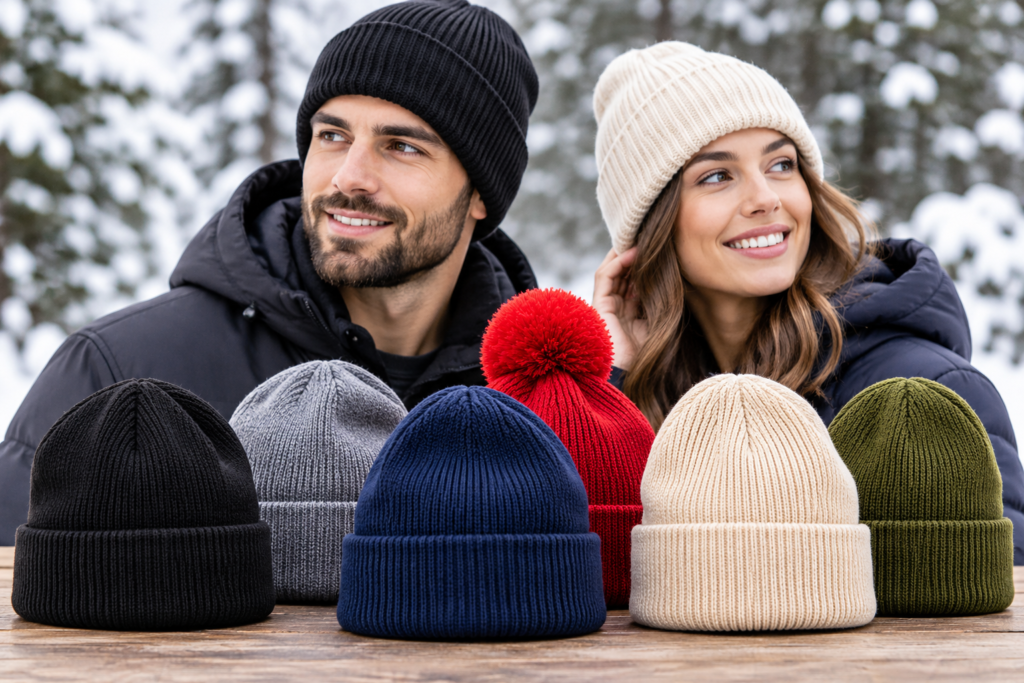
Beanie hats are more than just winter accessories. They have become an essential part of everyday fashion, streetwear, corporate clothing, sports merchandise and personal branding. Whether you want something warm for cold winter mornings, a stylish addition to your outfit or customised headwear for your business, choosing the right beanie can make a significant difference.
However, with so many materials, colours, shapes and designs available, finding the perfect beanie hat is not always straightforward. Some beanies are designed to provide maximum warmth, while others focus on lightweight comfort, breathability or modern styling. Similarly, the right colour can transform a simple knitted hat into a fashionable accessory that complements your entire wardrobe.
So, what is the best fabric for a beanie hat? Which colours are most versatile? And which beanie style should you choose?
This complete beanie hat guide explores everything you need to know about selecting the perfect beanie, from understanding different fabrics to discovering popular colours, fashionable styles and customisation options.
Whether you are buying a beanie for personal use, creating branded merchandise or planning a custom headwear collection, this guide will help you make an informed decision.
1. Why Beanie Hats Remain a Popular Fashion Essential
Beanie hats have maintained their popularity because they combine practicality with effortless style. Unlike many seasonal accessories, they can be worn in different environments and styled with a wide range of outfits.
Traditionally, beanies were mainly associated with cold weather and outdoor activities. Today, they are equally popular in streetwear, casual fashion, sportswear and promotional clothing.
There are several reasons why people continue to choose beanie hats.
Everyday Comfort and Warmth
A quality beanie helps retain warmth around the head and provides additional comfort during colder weather. Knitted fabrics create a comfortable covering that can be worn while walking, commuting, travelling or enjoying outdoor activities.
Easy to Style
Beanies are available in countless colours, textures and shapes. You can pair a simple black beanie with a casual outfit or choose a colourful design to create a more noticeable fashion statement.
Suitable for Different Audiences
Beanie hats appeal to men, women and children. They are also popular among students, sports teams, fashion enthusiasts, outdoor workers and businesses looking for practical branded merchandise.
Excellent for Custom Branding
Custom beanies offer businesses an opportunity to showcase their identity through embroidered logos, woven labels and personalised designs. They are particularly useful for clothing brands, promotional campaigns, retail merchandise and corporate gifts.
2. What Is the Best Fabric for a Beanie Hat?
Choosing the right material is one of the most important parts of buying a beanie. Fabric affects warmth, softness, durability, flexibility, appearance and overall comfort.
There is no single material that works perfectly for everyone. The best fabric depends on when, where and how you plan to wear your beanie.
Let’s explore some of the most popular beanie hat materials.
Acrylic: A Versatile and Affordable Choice
Acrylic is one of the most commonly used materials for knitted beanies. It is a synthetic fibre designed to provide a soft feel and practical everyday performance.
Acrylic beanies are popular because they offer a good balance between affordability, comfort and durability.
Key benefits of acrylic beanies:
- Lightweight and comfortable for everyday wear.
- Available in a wide variety of colours.
- Generally easy to maintain.
- Holds colour well when properly manufactured.
- Suitable for many knitted styles.
- Often more affordable than natural wool.
Acrylic is particularly suitable for promotional merchandise, branded winter accessories and large custom beanie orders.
For businesses looking for consistent colours and practical everyday headwear, acrylic can be an excellent option.
Wool: The Classic Choice for Natural Warmth
Wool has been used in winter clothing for generations. It is naturally insulating and helps maintain warmth in cold conditions.
Wool fibres create small pockets that help trap air, making wool beanies particularly useful during colder weather.
Why choose wool beanies?
- Excellent natural insulation.
- Comfortable warmth in cold conditions.
- Naturally breathable properties.
- A traditional and premium appearance.
- Suitable for winter fashion collections.
Wool is available in different varieties, including merino wool, lambswool and other traditional wool blends.
However, some wool fabrics can feel itchy against sensitive skin. Care requirements also vary depending on the type of wool and construction.
If warmth and natural fibres are your priorities, wool is worth considering.
Merino Wool: Softness Meets Performance
Merino wool is obtained from Merino sheep and is known for its particularly fine fibres.
Compared with many traditional wool options, merino wool generally feels softer and more comfortable against the skin.
It is popular in premium winter clothing, outdoor accessories and performance-focused headwear.
Main advantages include:
- Fine, soft fibres.
- Excellent temperature regulation.
- Natural breathability.
- Moisture-management properties.
- Comfortable insulation.
- A premium feel.
Merino wool beanies are especially suitable for people who spend considerable time outdoors or want a high-quality winter accessory.
They are usually more expensive than standard acrylic alternatives, but their comfort and performance can make them worthwhile.
Cotton: Lightweight and Breathable
Cotton beanies are an excellent option for people who prefer lightweight accessories.
Unlike heavy winter wool styles, cotton beanies can provide a more relaxed feel that works well during transitional weather.
Benefits of cotton beanies:
- Soft and comfortable against the skin.
- Breathable construction.
- Suitable for mild weather.
- Easy to coordinate with casual outfits.
- Available in different knitted and lightweight constructions.
Cotton is particularly useful for spring and autumn collections. However, it generally provides less insulation than wool-based alternatives.
For customers who want a beanie mainly for fashion rather than extreme cold, cotton can be a practical choice.
Cashmere: A Luxury Beanie Option
Cashmere is associated with premium knitwear because of its exceptionally soft texture and luxurious appearance.
It is made from the fine undercoat of cashmere goats and is often used in high-end winter accessories.
Why consider cashmere?
- Exceptionally soft feel.
- Lightweight warmth.
- Elegant and refined appearance.
- Premium fashion appeal.
- Suitable for luxury winter collections.
Cashmere beanies are generally more expensive and require careful maintenance.
They are an attractive choice for luxury fashion brands and customers looking for sophisticated winter accessories.
Polyester and Fleece Blends: Practical Everyday Performance
Polyester is another popular synthetic fibre used in winter accessories. It is often blended with other materials to improve durability, shape retention and practical performance.
Fleece-lined beanies can provide additional softness and warmth, making them suitable for colder conditions.
These materials are particularly useful for outdoor activities, workwear and functional winter accessories.
Which Beanie Fabric Should You Choose?
The best material depends on your requirements.
| Fabric | Best For | Main Advantage |
|---|---|---|
| Acrylic | Everyday and promotional wear | Affordable and versatile |
| Wool | Cold winter weather | Natural insulation |
| Merino wool | Premium outdoor wear | Softness and temperature regulation |
| Cotton | Mild weather | Breathability |
| Cashmere | Luxury fashion | Exceptional softness |
| Polyester blends | Everyday performance | Practical durability |
If you want an affordable and versatile option, acrylic is a strong choice. For natural warmth, consider wool. If premium comfort is your priority, merino wool or cashmere may be more suitable.
3. Best Beanie Hat Colours: Which Shades Should You Choose?
Colour plays a major role in the appearance of a beanie. The right shade can make a basic winter accessory look stylish, modern and easy to coordinate with different outfits.
Some colours remain popular year after year because of their versatility, while others become fashionable statement choices.
Here are some of the best beanie colours to consider.
Black Beanies: Timeless and Versatile
Black is one of the safest and most versatile colours for beanie hats.
A black beanie works with almost every wardrobe and can be styled with casual clothing, jackets, hoodies and winter coats.
It is also an excellent choice for custom branding because embroidered logos can stand out beautifully against a dark background.
Black beanies are particularly suitable for:
- Streetwear collections.
- Corporate merchandise.
- Minimalist fashion.
- Everyday winter outfits.
- Custom embroidered accessories.
White Beanies: Clean and Modern
White beanies create a fresh, minimalist appearance.
They look particularly attractive when paired with neutral clothing, denim jackets and darker winter outfits.
White is also an excellent base for contrasting embroidery. Black, navy, red and other darker logo colours can create a distinctive appearance.
However, white fabric may require more frequent cleaning because marks and stains are easier to notice.
Grey Beanies: Perfect for Everyday Styling
Grey offers a balanced alternative to black and white.
Light grey creates a softer appearance, while charcoal grey provides a darker, more sophisticated finish.
Grey beanies are easy to combine with black jackets, neutral hoodies and casual winter clothing.
They are also suitable for businesses that prefer understated promotional accessories.
Navy Blue Beanies: Smart and Sophisticated
Navy is a popular choice for people who want something different from traditional black.
It has a clean, professional appearance and works particularly well with white, silver, light grey and red embroidery.
Navy beanies are suitable for corporate merchandise, sports teams and everyday casual outfits.
Beige and Cream Beanies: Modern Neutral Fashion
Beige and cream shades have become popular choices for minimalist and contemporary outfits.
These colours create a softer appearance and work well with brown, white, olive and neutral clothing.
They are especially attractive for fashion brands developing autumn and winter collections.
Red Beanies: Make a Bold Statement
Red is an excellent option for people who want their headwear to attract attention.
A red beanie can add colour to an otherwise simple outfit and is particularly popular in casual and streetwear styling.
It can also be useful for team merchandise, promotional campaigns and branded collections.
Green Beanies: Natural and Contemporary
Green comes in several attractive variations, including olive, forest green, sage and dark green.
Olive and forest green are particularly versatile because they complement neutral clothing and outdoor-inspired fashion.
For custom beanies, green can also provide a distinctive background for white, cream or contrasting embroidered logos.
Brown and Burgundy Beanies
Brown offers a warm, earthy appearance that works particularly well during autumn and winter.
Burgundy, meanwhile, adds a richer and more distinctive colour to winter outfits.
Both shades are suitable for people who want something more interesting than traditional neutral colours without choosing an extremely bright design.
4. Popular Beanie Hat Styles You Should Know
Selecting the right fabric and colour is important, but the overall shape of your beanie also determines how it looks and feels.
Different beanie styles create different appearances. Some provide additional coverage, while others are designed for a relaxed streetwear look.
Let’s explore the most popular options.
Cuffed Beanies
Cuffed beanies feature a folded section around the lower edge.
The cuff adds visual detail and can provide additional coverage around the ears. It also creates an excellent area for embroidered logos, making this style particularly popular for custom branded headwear.
Best for: Corporate merchandise, everyday fashion, embroidered branding and winter collections.
Fisherman Beanies
Fisherman beanies are generally shorter and sit higher on the head.
They have a distinctive folded cuff and are often associated with contemporary streetwear and workwear-inspired fashion.
They are particularly suitable for people who prefer a compact, modern appearance.
Best for: Streetwear brands, casual outfits and fashion collections.
Slouchy Beanies
Slouchy beanies feature additional fabric that creates a relaxed shape at the back of the head.
They are popular in casual fashion because they provide a comfortable, laid-back appearance.
They are often made using flexible knitted materials.
Best for: Relaxed outfits, casual fashion and streetwear.
Pom-Pom Beanies
Pom-pom beanies feature a decorative pom-pom at the top.
They are commonly associated with traditional winter fashion and are popular among children and adults.
They can also be customised with different colour combinations and knitted patterns.
Best for: Winter fashion, seasonal gifts and playful designs.
Ribbed Beanies
Ribbed beanies feature a textured knitted construction created through raised vertical lines.
This texture gives the hat a distinctive appearance while allowing a comfortable amount of flexibility.
Ribbed designs are widely used in both minimalist and premium winter collections.
Best for: Everyday wear, minimalist fashion and premium casual accessories.
Fisherman-Style Short Beanies
Short fisherman-inspired designs are especially popular in modern urban fashion.
They sit close to the head and often leave part of the ears uncovered, depending on the cut.
Their simple silhouette makes them suitable for clean, understated outfits.
Best for: Contemporary streetwear and fashion-focused collections.
Bobble Beanies
Bobble beanies are similar to pom-pom styles and feature a decorative knitted or fabric detail at the crown.
They are commonly designed with colourful patterns, contrasting cuffs and seasonal graphics.
Best for: Winter gifts, casual accessories and seasonal collections.
5. How to Choose the Right Beanie for Your Face Shape
The best beanie should feel comfortable and complement your overall appearance.
Although personal preference is always important, understanding how different styles sit on your head can help you choose a more flattering design.
Round face: Consider a slightly slouchy beanie or a style that adds a little height to your overall silhouette.
Oval face: Most beanie styles can work well with an oval face. Cuffed, ribbed and slouchy designs are all worth exploring.
Square face: Softer knitted textures and relaxed styles can help create a balanced appearance.
Long face: A cuffed beanie with a closer fit can create a more balanced overall look than an excessively tall or slouchy design.
Remember that these are general styling suggestions rather than strict fashion rules. The most important factors are comfort, fit and personal confidence.
6. How to Choose the Right Beanie for Different Seasons
Not every beanie is designed for extremely cold winter conditions. Choosing the correct fabric and construction for the weather can improve comfort and make your accessory more practical.
Winter Beanies
For colder months, choose insulating materials such as wool, merino wool or suitable acrylic blends.
A thicker knitted construction can provide additional coverage, while a fleece lining may improve comfort in particularly cold environments.
Popular winter choices include:
- Thick ribbed beanies.
- Wool cuffed beanies.
- Fleece-lined beanies.
- Merino wool beanies.
- Traditional pom-pom styles.
Autumn Beanies
Autumn weather can change throughout the day, so a medium-weight beanie is often a practical choice.
Acrylic, cotton blends and lightweight wool options can work well.
Neutral colours such as beige, grey, olive and brown are especially easy to style during autumn.
Spring Beanies
For spring, lighter fabrics and thinner knitted constructions are generally more comfortable.
Cotton and lightweight acrylic designs are worth considering.
Choose breathable materials that provide a comfortable covering without unnecessary insulation.
Summer Beanies
Although beanies are traditionally associated with colder weather, lightweight fashion styles can still be worn during cooler summer evenings or as part of a particular streetwear look.
For this purpose, thin cotton or lightweight knitted designs are more suitable than heavy wool options.
7. Custom Beanie Hats: Turn a Simple Accessory into Your Brand Identity
Custom beanie hats offer more than warmth and fashion. They provide businesses, clothing brands, sports organisations and event organisers with an opportunity to create distinctive branded accessories.
A well-designed custom beanie can help your brand become more recognisable while providing customers with a useful product they can wear regularly.
At Custom Caps Maker, customised headwear can be considered for a wide range of branding and promotional requirements.
Custom Embroidered Beanies
Embroidery is one of the most popular ways to personalise a beanie.
Your logo, initials, text or artwork can be stitched onto the fabric using selected thread colours.
Embroidery creates a textured finish and can give your beanie a professional appearance.
It works particularly well on cuffed beanies because the folded section provides a convenient area for logo placement.
Personalised Logo Beanies
Businesses can use their existing logo or develop a new design specifically for their headwear collection.
Before production, consider:
- Logo dimensions.
- Thread colours.
- Placement.
- Fabric compatibility.
- Design complexity.
- Overall visibility.
A simple logo is often easier to reproduce clearly on knitted fabric than a highly detailed design.
Custom Beanies for Clothing Brands
Independent fashion labels and established clothing businesses can use personalised beanies as part of their seasonal collections.
Consider matching your beanie colours with your existing hoodies, sweatshirts, jackets and other accessories.
A coordinated collection can create a stronger brand identity and make your merchandise look more professional.
Corporate and Promotional Beanies
Custom beanies are also useful for businesses looking for practical promotional merchandise.
They can be distributed at corporate events, used as employee gifts or included in seasonal marketing campaigns.
Unlike many disposable promotional products, a quality beanie can remain in use for several seasons.
Custom Beanies for Sports Teams and Clubs
Sports teams, gyms and clubs can use embroidered beanies to create matching accessories for members and supporters.
Team colours, initials and club logos can help produce a consistent appearance.
These designs are particularly useful during outdoor training sessions, winter competitions and promotional events.
8. How to Select the Best Embroidery Colours for Your Beanie
Choosing the right thread colour is just as important as selecting the beanie fabric.
The objective is to make the logo visible while keeping the overall design attractive.
Here are some useful colour combinations.
| Beanie Colour | Suggested Embroidery Colour |
|---|---|
| Black | White, silver or gold |
| White | Black, navy or red |
| Navy | White, cream or silver |
| Grey | Black, white or navy |
| Beige | Brown, black or forest green |
| Red | White, black or cream |
| Olive Green | Cream, white or black |
For a minimalist appearance, choose a subtle thread colour that complements the beanie.
For stronger branding, use contrasting colours that make the logo more noticeable.
It is also important to consider the knitted texture. Fine details and very small lettering may not reproduce as clearly as they would on a smooth fabric surface.
9. What Makes a High-Quality Beanie Hat?
Not all beanies offer the same level of quality. Two products may look similar in photographs but feel very different when worn.
Before choosing a beanie, consider the following quality factors.
Fabric Quality
Good-quality yarn should feel comfortable and have a consistent texture.
Check whether the material suits the intended season and whether it provides the desired warmth and flexibility.
Knitting Construction
The knitting technique affects the appearance, flexibility and overall structure of a beanie.
Ribbed construction, for example, provides a textured appearance, while simpler knitted structures can create a cleaner finish.
Comfortable Fit
A beanie should fit securely without feeling excessively tight.
The amount of stretch, crown depth and overall circumference all contribute to a comfortable fit.
Stitching and Finishing
Examine the finishing around the cuff, crown and seams.
Consistent construction helps the beanie maintain its appearance during regular use.
Colour Consistency
For businesses ordering multiple beanies, consistent colours are important.
This is particularly relevant when matching headwear with an existing brand identity or clothing collection.
Durability
A well-made beanie should maintain its general shape and appearance when cared for correctly.
Fabric quality, knitting density and washing instructions all influence long-term performance.
10. How to Care for Your Beanie Hat
Taking care of your beanie can help maintain its appearance, softness and shape.
However, different materials require different cleaning methods. Always check the manufacturer’s care instructions before washing.
For acrylic beanies: Use a gentle washing programme where permitted, and avoid excessive heat.
For wool beanies: Hand washing with a suitable wool detergent is often recommended. Avoid aggressive rubbing or twisting.
For merino wool: Follow the garment label carefully. Some products are machine washable, while others require more delicate treatment.
For cotton beanies: Wash according to the care label and separate colours where necessary.
For cashmere beanies: Use the recommended delicate cleaning method to help preserve the fibres.
How to Dry a Beanie Correctly
Avoid hanging heavy, wet knitted beanies if this causes them to stretch.
Where the care label permits, gently remove excess water without twisting the fabric and allow the beanie to dry naturally in its intended shape.
Avoid placing delicate knitted accessories directly on high heat.
How to Store Beanies
Store clean beanies in a dry place away from excessive moisture.
Fold them gently rather than stretching them over unsuitable objects.
If you own several seasonal beanies, keeping them organised by fabric and colour can make choosing the right accessory easier.
11. Common Mistakes to Avoid When Buying a Beanie
Choosing a beanie may seem simple, but a few common mistakes can affect your satisfaction with the product.
Choosing Style Without Considering Comfort
A fashionable beanie is not necessarily comfortable.
Always consider fabric softness, fit and stretch before selecting a design.
Ignoring the Weather
A thick wool beanie may be excellent for freezing temperatures but uncomfortable during mild weather.
Choose a material and construction that match the conditions in which you plan to wear it.
Selecting the Wrong Size
A beanie that is too tight can feel uncomfortable, while one that is too loose may constantly slip.
Check available sizing and stretch characteristics before ordering.
Choosing Colours Without Considering Your Wardrobe
Bright colours can look attractive, but they may be harder to coordinate with everyday clothing.
If versatility is important, start with black, grey, navy, beige or cream.
Overcomplicating Custom Designs
Adding too many colours, small details and complicated graphics can make a beanie look cluttered.
For branded headwear, a clean and well-positioned logo often creates a more professional result.
Ignoring Care Instructions
Some knitted fabrics require special treatment.
Using unsuitable washing temperatures or drying methods can affect the shape and texture of your beanie.
12. How to Design Your Own Custom Beanie Hat
Creating a personalised beanie is an exciting opportunity to develop something that reflects your style or business identity.
Whether you are launching a clothing brand or ordering merchandise for an organisation, a few simple design decisions can help you achieve a better result.
Step 1: Choose Your Beanie Style
Decide whether you want a cuffed, ribbed, fisherman, slouchy or pom-pom design.
Think about the people who will wear the product and the image you want to create.
Step 2: Select the Fabric
Choose a material based on comfort, season, appearance and budget.
Acrylic is a practical option for many everyday and promotional designs, while wool and merino wool offer natural warmth and a more premium feel.
Step 3: Select Your Colour
Choose a shade that complements your brand identity or personal style.
Consider whether your logo will contrast clearly against the selected fabric.
Step 4: Prepare Your Logo
Use a high-quality logo file wherever possible.
Vector artwork is particularly useful for production because it can be scaled without losing image quality.
Step 5: Decide on Logo Placement
The front cuff is a popular location for embroidered branding.
Other possible options may include a side logo, woven label or additional branding detail, depending on the construction and production method.
Step 6: Confirm Your Design Details
Before production, review the artwork, colours, measurements and placement.
Requesting a mockup can help you understand how the finished design may look.
Step 7: Review the Final Product
Once the design is approved, confirm the production specifications and order details with your manufacturer.
Taking time during the design stage can help reduce mistakes and create a more consistent finished product.
13. Why Custom Beanies Make Excellent Gifts
A personalised beanie can be a thoughtful gift because it combines practical value with individual style.
Unlike purely decorative products, a well-made beanie can become part of someone’s regular winter wardrobe.
They are suitable for several occasions:
- Corporate Christmas gifts.
- Employee appreciation packages.
- Birthday presents.
- School and university merchandise.
- Sports club gifts.
- Promotional giveaways.
- Fashion brand merchandise.
You can make the gift more personal by choosing the recipient’s favourite colour, adding initials or including a small embroidered logo.
For businesses, custom beanies can also be included in branded gift packages alongside personalised hoodies, sweatshirts and other accessories.
14. The Future of Beanie Hat Fashion
Beanie fashion continues to evolve as clothing brands and consumers explore new materials, silhouettes and customisation techniques.
Although classic black, grey and navy designs remain popular, modern collections increasingly explore different textures, earthy shades and distinctive shapes.
Several design directions are worth watching.
Minimalist branding: Small embroidered logos and subtle woven labels create a clean, understated appearance.
Neutral colour palettes: Beige, cream, taupe, charcoal and earthy green shades work well with modern casual clothing.
Premium materials: Soft natural fibres and carefully selected yarn blends appeal to customers looking for comfortable winter accessories.
Relaxed silhouettes: Slouchy and fisherman-inspired beanies continue to offer alternatives to traditional fitted designs.
Personalised headwear: Initials, custom artwork and brand logos allow individuals and businesses to create more distinctive accessories.
For clothing brands, combining classic shapes with carefully selected colours and high-quality finishing can help create beanies that remain attractive beyond a single season.
15. Frequently Asked Questions About Beanie Hats
What is the best material for a beanie hat?
The best material depends on your requirements. Acrylic is a versatile and affordable option for everyday use, wool provides natural warmth, merino wool offers softness and temperature regulation, and cotton is suitable for lighter weather.
Which colour beanie goes with everything?
Black is one of the most versatile options. Grey, navy, beige and cream are also excellent choices because they complement a wide range of clothing colours.
Are acrylic beanies good quality?
Acrylic beanies can offer good everyday performance when made using suitable yarn and quality construction. They are popular because they are affordable, versatile and available in many colours.
Are wool beanies warmer than acrylic beanies?
Wool offers excellent natural insulation and is often preferred for colder conditions. However, actual warmth depends on the fibre, thickness, knitting construction and overall design.
What is the difference between a cuffed and slouchy beanie?
A cuffed beanie has a folded lower edge that creates a structured appearance. A slouchy beanie has additional fabric that creates a relaxed shape towards the back.
Can I customise a beanie with my company logo?
Yes. Beanies can be personalised using suitable methods such as embroidery and woven labels. The best option depends on the fabric, design and construction.
Are custom embroidered beanies suitable for businesses?
Yes. Custom embroidered beanies are useful for corporate merchandise, employee gifts, promotional campaigns, clothing brands and sports organisations.
What is the best beanie style for everyday wear?
Cuffed and ribbed beanies are excellent everyday options because they offer versatile styling and a comfortable fit. The best choice ultimately depends on your personal preference.
How should I wash a knitted beanie?
Always follow the care label. Acrylic and cotton may tolerate gentle machine washing, depending on the product, while wool and cashmere may require more delicate cleaning.
Are beanies suitable for all seasons?
Beanies can be worn throughout the year, but fabric selection matters. Lightweight cotton and thin knitted designs are better for mild weather, while wool and thicker acrylic constructions are more appropriate for winter.
Conclusion: Find the Perfect Beanie for Style, Comfort and Branding
Choosing the perfect beanie hat involves more than selecting an attractive colour. The right combination of fabric, construction, fit and style can make a significant difference to comfort and appearance.
Acrylic offers an affordable and versatile option for everyday use, wool provides natural warmth, merino wool delivers premium softness, and cotton works well for lighter conditions. When it comes to colour, black, grey, navy, beige and cream remain excellent choices for versatile styling.
You should also consider the different beanie styles available. Cuffed, ribbed, fisherman and slouchy designs each offer a distinctive appearance, making it easier to find something that suits your preferences.
If you are looking to create personalised headwear, custom beanies provide an excellent opportunity to combine practical winter accessories with your own branding. From embroidered company logos to personalised clothing collections, the right design can help your brand stand out.
At Custom Caps Maker UK, explore custom headwear possibilities and create designs that reflect your business, organisation or personal style.
Choose your preferred design, explore suitable colours and fabrics, and start planning custom beanies that combine comfort, quality and individuality.

Alex Watson
Alex Watson is a custom headwear and branding expert who writes for Custom Caps Maker UK. He specializes in custom cap design, embroidery, and branding solutions, helping businesses and organizations create high-quality personalized headwear that stands out. Through his articles, Alex shares practical tips, industry insights, and expert advice on custom cap manufacturing and customization.