
Choosing the right cap is about more than just finding a design you like. The fit, comfort, style and functionality all play an important role in deciding which type of headwear is best for your needs. Whether you are creating branded merchandise, launching a clothing collection, designing team uniforms or simply looking for everyday headwear, understanding the difference between fitted caps and adjustable caps can help you make the right decision.
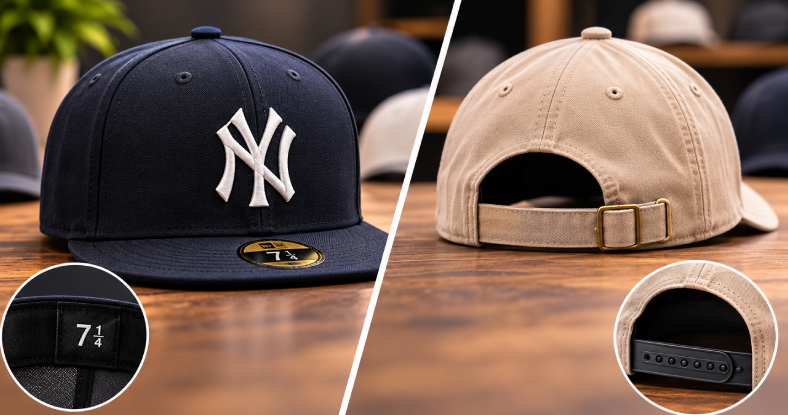
Two of the most popular options in the headwear industry are custom fitted caps and adjustable caps. Both offer distinctive advantages, and each suits different preferences, occasions and branding requirements. Fitted caps are designed with a specific head measurement in mind, providing a clean, seamless appearance without an adjustment strap. Adjustable caps, on the other hand, feature a fastening system that allows the wearer to change the size for a more flexible fit.
But which option is better? Is a fitted cap more comfortable than an adjustable one? Are adjustable caps more suitable for businesses and promotional campaigns? And which style should you choose when creating your own custom headwear?
In this comprehensive guide, we will explore the differences between custom fitted caps and adjustable caps, including their construction, comfort, sizing, appearance, materials, customisation possibilities and practical uses. By the end, you will have a clearer understanding of which style is the best match for your brand or personal requirements.
What Are Custom Fitted Caps?
Custom fitted caps are headwear designed to fit a specific head circumference. Unlike adjustable styles, they do not include a buckle, snapback closure, hook-and-loop fastening or adjustable strap at the back.
Instead, fitted caps are manufactured in fixed sizes. Customers select the size that corresponds to their head measurement, allowing the cap to sit securely and comfortably without needing additional adjustments.
This construction gives fitted caps a smooth and uninterrupted appearance, particularly around the back of the cap. Many people appreciate this clean finish because it creates a more streamlined and premium look.
Fitted caps are especially popular in sportswear, streetwear and fashion collections. Baseball-inspired fitted designs, for example, have become an established part of modern casual fashion.
Key Features of Fitted Caps
Some of the main characteristics of custom fitted caps include:
- Fixed sizing: Each cap is manufactured for a particular head circumference.
- No adjustment mechanism: The back of the cap has no visible strap or fastening system.
- Clean appearance: The seamless back creates a neat and minimal finish.
- Structured construction: Many fitted caps feature a firm front panel that maintains their shape.
- Consistent fit: When the correct size is selected, the cap offers a secure and predictable fit.
Businesses and clothing brands can customise fitted caps using embroidery, woven labels, printed graphics, appliqué designs and other decorative techniques, depending on the cap construction and production requirements.
What Are Adjustable Caps?
Adjustable caps are designed to accommodate different head sizes through a fastening mechanism located at the back. Instead of selecting one exact size, the wearer can tighten or loosen the cap to achieve a suitable fit.
This flexibility makes adjustable caps a popular choice for promotional merchandise, corporate uniforms, sports teams, events and everyday fashion.
There are several different adjustment systems available, each offering its own appearance and functionality.
Common Types of Adjustable Caps
1. Snapback Caps
Snapback caps feature a plastic fastening strip with several small openings that connect to corresponding studs. The wearer can adjust the circumference by selecting a different fastening position.
They are particularly popular in streetwear because of their structured crown, flat brim and distinctive appearance.
2. Strapback Caps
Strapback caps use a fabric or leather-style strap at the rear. Depending on the design, the strap may feature a metal buckle, plastic clasp or another fastening mechanism.
These caps offer a more refined appearance and are commonly used in casual fashion collections.
3. Velcro Adjustable Caps
Velcro caps use hook-and-loop fastening material to adjust the fit. They are easy to operate and provide convenient size flexibility.
This style is often selected for promotional caps, sports uniforms and practical everyday headwear.
4. Elastic Adjustable Caps
Some cap designs incorporate elastic materials or flexible fastening systems that help accommodate different head sizes.
These options can provide a comfortable fit while maintaining a relatively simple appearance.
Adjustable caps are available in various crown shapes, fabrics, colours and brim styles, making them suitable for a wide range of custom headwear projects.
Custom Fitted Caps vs Adjustable Caps: Understanding the Main Differences
Although both styles serve the same basic purpose, their construction and wearing experience are quite different.
Understanding these differences will help you decide which cap style is most suitable for your requirements.
1. Fit and Sizing
The biggest difference between fitted and adjustable caps is how they accommodate the wearer’s head size.
Fitted caps are produced in specific measurements. This means customers need to know their approximate head circumference before choosing a size. Once the correct size is selected, the cap should sit comfortably without requiring further adjustment.
Adjustable caps offer more flexibility because their fastening systems allow the wearer to change the circumference. This makes them useful when producing caps for groups of people with different head sizes.
Which is better?
If you prefer a precise, tailored fit and know your measurements, fitted caps are an excellent option. If you want one cap style that can accommodate a wider range of customers, adjustable caps may be more practical.
2. Comfort and Everyday Wear
Comfort depends on several factors, including the fabric, sweatband, crown construction, ventilation and overall sizing.
A correctly sized fitted cap can provide a secure and comfortable experience because it does not rely on an adjustment strap. However, choosing the wrong size may make the cap feel too tight or too loose.
Adjustable caps offer additional flexibility, allowing wearers to make small changes throughout the day. This can be especially useful when different people share the same cap style.
For everyday use, both options can be comfortable when manufactured with suitable materials and properly designed construction.
3. Appearance and Style
The visual difference between these two cap styles is another important consideration.
Fitted caps have a smooth back without adjustment hardware. This creates a clean appearance that works particularly well with premium sportswear and minimalist fashion designs.
Adjustable caps feature a visible fastening mechanism, which can become part of the overall design. For example, metal buckles can create a more refined appearance, while snapback closures provide a recognisable streetwear aesthetic.
Your preferred style will depend on the image you want your headwear to communicate.
4. Convenience and Flexibility
Adjustable caps have an advantage when it comes to convenience. Wearers can quickly change the fit without needing to exchange the cap for another size.
Fitted caps require more attention during the purchasing process because customers need to select the correct size beforehand.
For individual buyers, this may not be a major concern. However, for businesses ordering larger quantities, adjustable caps can simplify distribution because fewer size variations may be required.
5. Customisation Options
Both fitted and adjustable caps offer excellent opportunities for personalisation.
You can customise either style with:
- Front-panel embroidered logos.
- 3D puff embroidery.
- Flat embroidery.
- Printed graphics.
- Woven brand labels.
- Side-panel artwork.
- Rear embroidery.
- Custom colour combinations.
- Branded interior labels.
The available techniques depend on the fabric, construction, panel design and production specifications.
For fitted caps, the uninterrupted rear construction can create a particularly clean appearance. Adjustable caps provide an additional opportunity to customise the fastening strap, buckle or closure area where the design and manufacturing method allow it.
6. Suitability for Different Audiences
Fitted caps are often preferred by customers who value precise sizing, sports-inspired styling and a streamlined appearance.
Adjustable caps are particularly useful for businesses, promotional campaigns, community organisations and events where one design needs to accommodate many different people.
Neither option is universally better. The ideal choice depends on the audience, purpose and overall design of the cap.
Advantages of Choosing Custom Fitted Caps
Custom fitted caps offer several benefits, especially for fashion brands and businesses looking to create premium-quality headwear.
1. A Premium and Professional Finish
One of the biggest advantages of fitted caps is their clean construction. Without an adjustable closure at the back, the overall design looks polished and consistent.
This makes them suitable for brands that want their merchandise to look like a professionally designed retail product rather than a standard promotional giveaway.
2. A Tailored Fit
Fitted caps are available in different sizes, allowing customers to select a cap that matches their head circumference.
A properly selected size can provide a secure fit without the need to tighten or loosen a rear strap.
3. Ideal for Streetwear Collections
Fitted caps have a strong connection with sportswear, urban fashion and streetwear culture. Their structured silhouettes make them an excellent addition to modern clothing collections.
Fashion labels can create distinctive designs using custom embroidery, bold colours, patches and contrasting materials.
4. Clean Rear Branding
Because fitted caps do not require an adjustment strap, the rear section provides a simple, uninterrupted finish.
This can be particularly useful for brands that prefer a minimal design or want to add subtle embroidery without incorporating visible fastening hardware.
5. Consistent Product Presentation
For retail collections, fitted caps can help create a consistent appearance across different pieces. Once the correct sizes are selected, each cap follows the same overall construction and design.
This is particularly useful for businesses that want their products to maintain a premium and recognisable appearance.
Advantages of Choosing Adjustable Caps
Adjustable caps are equally valuable, particularly when flexibility, convenience and wider audience appeal are important.
1. Flexible Sizing for Different People
The biggest advantage of adjustable caps is their ability to accommodate different head sizes.
Rather than purchasing several fixed sizes, businesses can select an adjustable style that suits a wider range of customers.
This is especially helpful for promotional events, giveaways, staff uniforms and merchandise distribution.
2. Convenient and Easy to Wear
Adjustable closures allow users to change the cap circumference quickly.
Whether someone prefers a slightly tighter or looser fit, the fastening system makes it easy to find a comfortable position.
3. Excellent for Promotional Merchandise
Companies often distribute branded caps at exhibitions, sporting events, festivals and marketing campaigns.
Adjustable caps make distribution simpler because customers do not necessarily need to know their exact head measurements before receiving one.
4. More Closure Design Options
Adjustable caps offer several fastening styles that can influence the overall appearance of the product.
For example:
- Plastic snapbacks create a sporty streetwear appearance.
- Metal buckle closures provide a refined and classic finish.
- Fabric straps offer a softer, understated appearance.
- Hook-and-loop closures provide simple and convenient adjustment.
This variety gives brands more opportunities to develop a cap that matches their identity.
5. Suitable for Different Age Groups
Adjustable caps can be practical for organisations serving different audiences. Their flexible sizing makes them useful for community events, clubs, promotional activities and family-oriented campaigns.
However, the adjustment range still matters. Not every adjustable cap will fit every head size, so it is important to check the product specifications.
Which Cap Style Is Better for Your Business?
If you are ordering custom caps for your business, the right choice depends on how you plan to use them.
A cap designed for a premium fashion collection may require different features from one intended for staff uniforms or promotional giveaways.
Let’s explore some common business applications.
1. Clothing Brands and Streetwear Businesses
If you operate a clothing brand, fitted caps can be an excellent choice for building a premium merchandise collection.
Their structured appearance, clean rear finish and size-specific construction can help create a product that feels carefully designed.
For example, a streetwear label could create a black fitted cap with a raised embroidered front logo, contrasting side artwork and a subtle rear brand detail.
Adjustable caps are also suitable for streetwear collections, especially snapbacks. They offer a different visual identity and can appeal to customers who prefer flexible sizing.
Our recommendation: Choose fitted caps for a clean, tailored retail aesthetic or adjustable snapbacks for a more relaxed streetwear look.
2. Corporate Branding and Staff Uniforms
Businesses frequently use branded caps to create a consistent appearance among employees.
For this purpose, adjustable caps are often practical because employees may have different head measurements.
A company can select matching colours, add an embroidered logo to the front and include additional branding on the sides or rear.
Fitted caps can also work well for businesses with specific uniform requirements, particularly where staff sizes can be collected in advance.
Our recommendation: Adjustable caps are a convenient option for larger teams, while fitted caps are suitable when precise sizing and a more tailored appearance are priorities.
3. Sports Teams and Clubs
Sports teams need headwear that combines comfort, durability and a strong visual identity.
Fitted caps are popular for baseball-inspired designs because they provide a structured shape and precise sizing.
Adjustable caps are useful when teams need to distribute merchandise to players, supporters and spectators with different head sizes.
For sports organisations, custom embroidery can be used to display team names, club logos, mascots and sponsor branding.
Our recommendation: Consider fitted caps for a coordinated team collection and adjustable caps for supporter merchandise or general club promotions.
4. Promotional Events and Marketing Campaigns
For exhibitions, festivals, product launches and outdoor marketing campaigns, adjustable caps are usually a practical choice.
They simplify distribution and allow more people to wear the same promotional design.
For example, a company launching a new product could create adjustable baseball caps featuring its logo on the front and website branding at the rear.
However, if the objective is to create premium merchandise that customers will continue wearing after the event, fitted caps may offer a more distinctive presentation.
Our recommendation: Adjustable caps for broad distribution and fitted caps for premium promotional merchandise.
5. Fashion Merchandise and Limited Collections
Limited-edition headwear collections often benefit from carefully selected cap styles.
Fitted caps can create an exclusive, retail-inspired appearance, especially when combined with premium materials and detailed embroidery.
Adjustable caps can also work well for limited releases, particularly when the brand wants to simplify sizing or create a relaxed design.
Consider the following details when developing your collection:
- Target customer preferences.
- Preferred cap silhouette.
- Fabric quality and texture.
- Logo placement and dimensions.
- Embroidery or patch application.
- Colour combinations.
- Packaging and branding details.
Choosing the right construction from the beginning can help your final product communicate the identity of your clothing brand.
How to Choose the Right Size for Custom Fitted Caps
Sizing is one of the most important considerations when purchasing fitted caps.
Because fitted designs do not have adjustable closures, selecting the correct measurement helps ensure that the finished cap feels comfortable.
Here is a simple way to measure your head circumference.
Step 1: Find a Measuring Tape
Use a flexible measuring tape that can comfortably wrap around your head.
If you do not have one, a piece of string can be used and measured against a ruler afterwards.
Step 2: Position the Tape Correctly
Place the measuring tape around your head, approximately where the sweatband of a cap would naturally sit.
Usually, this means measuring slightly above your eyebrows and ears, around the widest part of your head.
Step 3: Check the Measurement
Keep the tape comfortably positioned without pulling it too tightly.
Record the circumference in centimetres or inches.
Step 4: Compare It with the Manufacturer’s Size Chart
Different manufacturers may use slightly different sizing specifications.
Always compare your measurement with the specific size chart provided for the fitted cap you intend to purchase.
Do not assume that every brand follows exactly the same sizing system.
What If You Are Between Two Sizes?
If your measurement falls between two available sizes, check the manufacturer’s recommendations before choosing.
The fabric and construction can influence how the cap feels. Some styles incorporate stretch materials, while others have a more rigid structure.
If possible, trying a similar cap before placing a large order can help you make a more confident decision.
Materials Used in Custom Fitted and Adjustable Caps
The material plays an important role in comfort, durability, appearance and branding quality.
Both fitted and adjustable caps can be manufactured using different fabrics, depending on their intended use.
Cotton Twill
Cotton twill is a popular material for everyday caps because of its comfortable feel and durable woven construction.
It works particularly well with embroidery and can create a classic appearance for corporate headwear, retail merchandise and casual clothing collections.
Polyester
Polyester is commonly used in sports-inspired and performance headwear.
It is lightweight, durable and suitable for designs where moisture management and easy-care properties are important.
Cotton and Polyester Blends
Blended fabrics combine characteristics of different fibres.
They can provide a balance between comfort, durability and shape retention, making them suitable for a variety of custom cap styles.
Wool and Wool Blends
Wool and wool-blend fabrics are often associated with traditional fitted baseball caps.
They can provide a distinctive texture and premium appearance, particularly for sports-inspired and fashion-focused headwear.
Mesh Fabric
Mesh is commonly used on the rear panels of trucker caps.
Although trucker caps are not automatically adjustable in every design, many feature snapback or other adjustable closures.
Mesh construction provides airflow and creates a recognisable casual style.
The best material depends on the intended purpose, budget, climate and overall design requirements.
Customisation Ideas for Fitted and Adjustable Caps
One of the biggest benefits of ordering custom headwear is the opportunity to create a product that represents your brand.
Both fitted and adjustable caps can support a variety of personalisation techniques.
1. Flat Embroidery
Flat embroidery uses stitched threads to reproduce a logo, text or graphic on the cap surface.
It is an excellent option for detailed branding, company names and clean logo designs.
2. 3D Puff Embroidery
3D puff embroidery creates a raised effect by placing foam beneath the stitching.
This technique is especially popular for bold lettering, initials and streetwear-inspired logos.
It can give both fitted and adjustable caps a distinctive appearance.
3. Custom Embroidered Patches
Embroidered patches provide another way to add branding to headwear.
They can be designed in different shapes, colours and sizes before being attached to the cap.
Patches are useful when brands want a more decorative or layered appearance.
4. Woven and Printed Patches
Woven patches are suitable for designs containing fine details and smaller lettering.
Printed patches can reproduce complex graphics, gradients and artwork that may be difficult to achieve through traditional embroidery.
5. Side and Rear Embroidery
Customisation does not need to be limited to the front panel.
Depending on the cap’s construction, businesses can add:
- Small logos on the side panels.
- Brand names above the rear opening.
- Initials or short text.
- Establishment years.
- Website addresses.
- Decorative symbols.
These additional details can make a simple cap feel more distinctive and carefully finished.
6. Custom Closures and Finishing Details
Adjustable caps offer additional design opportunities through their rear fastening systems.
Brands can consider metal buckles, branded closures, fabric straps and contrasting materials where available.
For fitted caps, attention can instead be given to the rear panel finish, interior labels, sweatbands and overall construction.
The objective is to create a balanced design in which every detail contributes to the final appearance.
Are Fitted Caps More Expensive Than Adjustable Caps?
The price difference between fitted and adjustable caps depends on several manufacturing factors.
It is not always correct to assume that one style will be more expensive than the other.
Fitted caps may involve additional size variations, which can influence inventory planning and production quantities.
Adjustable caps may require additional fastening components, such as plastic snaps or metal buckles.
Other factors that influence the final price include:
- Fabric selection.
- Cap construction.
- Order quantity.
- Embroidery complexity.
- Number of logo positions.
- Custom labels and finishing.
- Packaging requirements.
- Shipping destination.
For businesses ordering custom caps in bulk, it is always sensible to request a quotation based on the exact design and quantity.
A slightly higher unit price may be worthwhile if the cap offers better comfort, durability or perceived value for your target customers.
Common Mistakes to Avoid When Choosing Custom Caps
Choosing the wrong cap style can affect customer satisfaction and the overall success of a branded merchandise project.
Here are some common mistakes worth avoiding.
1. Ignoring Head Measurements
One of the most common mistakes when ordering fitted caps is selecting sizes without checking actual head measurements.
Always request a suitable size breakdown and confirm the manufacturer’s sizing chart.
2. Choosing a Style Only Because It Is Trending
Trends can provide inspiration, but your cap should suit your brand and audience.
A structured fitted cap may work well for a premium streetwear label, while a relaxed adjustable baseball cap may better suit an outdoor lifestyle brand.
3. Overlooking the Rear Design
The back of a cap is an important part of its overall appearance.
Think about how the closure, rear embroidery, labels and other finishing details will work together.
4. Using an Unsuitable Logo Size
A logo that is too large may look crowded, while one that is too small may not be visible.
Consider the available embroidery area and the complexity of your artwork before approving the design.
5. Not Reviewing a Mockup
Always review the proposed design before production.
A digital mockup allows you to assess the logo placement, colours, overall proportions and branding details.
It is much easier to request adjustments during the design stage than after the caps have been manufactured.
6. Forgetting About the End User
Think about who will actually wear the caps.
Your customers’ preferences, activities and expected wearing conditions should influence your decision.
The best-looking cap is not necessarily the best option if it does not provide the comfort and practicality your audience needs.
How to Order Custom Fitted or Adjustable Caps for Your Brand
Once you have decided which cap style suits your requirements, the next step is finding a manufacturer that can turn your design into a finished product.
At Custom Caps Maker UK, we help businesses, clothing brands, sports teams and organisations create personalised headwear with different styles, colours and branding options.
Our process is designed to make custom cap ordering straightforward.
Step 1: Select Your Preferred Cap Style
Decide whether you want fitted caps or adjustable caps.
Consider the purpose of your order, your target audience and the overall appearance you want to achieve.
Step 2: Choose Colours and Materials
Select your preferred fabric, crown construction, brim style and colour combination.
You can choose classic shades such as black, white, navy and grey or explore custom colour combinations that match your brand identity.
Step 3: Share Your Logo or Artwork
Provide your company logo, design file, text or reference images.
High-quality artwork helps the design team understand your requirements and recommend suitable customisation techniques.
Step 4: Review Your Custom Cap Mockup
Before production begins, review the digital mockup carefully.
Check the logo size, embroidery placement, colour combinations and overall appearance.
Request adjustments if necessary so the final design matches your expectations.
Step 5: Approve Production and Delivery Details
Once the design and specifications have been confirmed, the manufacturing process can begin.
Your caps will be produced according to the approved requirements, followed by quality checks and dispatch.
Whether you need a small branded collection or a larger merchandise order, choosing the correct cap style and communicating your specifications clearly will help achieve better results.
Final Verdict: Custom Fitted Caps or Adjustable Caps?
So, which option should you choose?
The answer depends on your priorities.
Custom fitted caps are an excellent choice if you want a precise fit, a clean rear appearance and a premium sportswear or streetwear aesthetic. They are particularly suitable for clothing labels, fashion collections, sports merchandise and customers who prefer size-specific headwear.
Adjustable caps are ideal if flexibility, convenience and wider audience appeal are more important. Their adjustable closures make them practical for promotional campaigns, corporate uniforms, events and general merchandise.
Neither style is automatically better than the other. Both offer excellent customisation opportunities, and both can become valuable additions to a clothing collection or business branding strategy.
The most important thing is to consider your audience, design requirements, intended use and preferred fit before making your decision.
At Custom Caps Maker UK, we offer a variety of headwear styles, including custom fitted caps, snapback caps, baseball caps, trucker caps and embroidered caps. Our aim is to help you create personalised headwear that combines attractive design, comfortable construction and professional branding.
If you are ready to create your own collection, explore the available styles and start planning your next custom cap project today.
Frequently Asked Questions (FAQs)
1. What is the main difference between fitted caps and adjustable caps?
Fitted caps are manufactured in specific sizes and do not have an adjustable closure. Adjustable caps feature a fastening system at the back that allows the wearer to change the circumference for a more flexible fit.
2. Are fitted caps better than adjustable caps?
Neither style is universally better. Fitted caps offer a tailored fit and a clean appearance, while adjustable caps provide greater sizing flexibility. Your choice should depend on personal preference, intended use and the target audience.
3. Do fitted caps come in different sizes?
Yes. Fitted caps are available in different sizes based on head circumference. It is important to measure your head and compare the measurement with the manufacturer’s sizing chart before purchasing.
4. Are adjustable caps suitable for everyone?
Adjustable caps accommodate a range of head sizes, making them versatile for many people. However, every closure has a particular adjustment range, so it is important to check the specifications to ensure a suitable fit.
5. Can I customise both fitted and adjustable caps?
Yes. Both styles can be customised with embroidery, 3D puff designs, printed graphics, patches, woven labels and additional branding details, depending on the cap construction and manufacturing requirements.
6. Which cap style is best for clothing brands?
Fitted caps are particularly suitable for premium fashion and streetwear collections because of their tailored construction. Adjustable snapbacks and strapbacks are also popular choices for casual clothing brands.
7. Are snapback caps the same as fitted caps?
No. Snapback caps are adjustable and feature a plastic fastening system at the back. Fitted caps have a closed rear construction and are manufactured in specific sizes.
8. Can I add embroidery to the back and sides of custom caps?
Yes. Both fitted and adjustable caps can accommodate additional embroidery in suitable areas. Available placement depends on the panel construction, design size and manufacturing specifications.
9. Which cap style is best for promotional events?
Adjustable caps are often a practical choice for promotional events because they can accommodate different head sizes. They are convenient for giveaways, exhibitions, festivals and marketing campaigns.
10. Are custom fitted caps suitable for bulk orders?
Yes. Custom fitted caps can be manufactured in bulk for businesses, sports teams, clothing labels and merchandise collections. It is important to confirm the required size breakdown before placing an order.
11. What materials are best for custom caps?
Cotton twill, polyester, cotton-polyester blends and wool blends are popular options. The best material depends on the desired appearance, comfort, durability and intended use.
12. How can I get a quote for custom caps?
You can contact Custom Caps Maker UK with your preferred cap style, quantity, colours and logo artwork. Our team can discuss the available customisation options and provide a quotation based on your requirements.
Create Your Own Custom Caps with Custom Caps Maker UK
Whether you prefer the tailored appearance of fitted caps or the flexibility of adjustable designs, the right headwear can make a lasting impression.
From embroidered logos and personalised patches to custom colours and premium finishing details, every element contributes to the identity of your finished product.
At Custom Caps Maker UK, we make it easier to bring your ideas to life with personalised headwear for businesses, fashion brands, sports teams and promotional campaigns.

Alex Watson
Alex Watson is a custom headwear and branding expert who writes for Custom Caps Maker UK. He specializes in custom cap design, embroidery, and branding solutions, helping businesses and organizations create high-quality personalized headwear that stands out. Through his articles, Alex shares practical tips, industry insights, and expert advice on custom cap manufacturing and customization.