
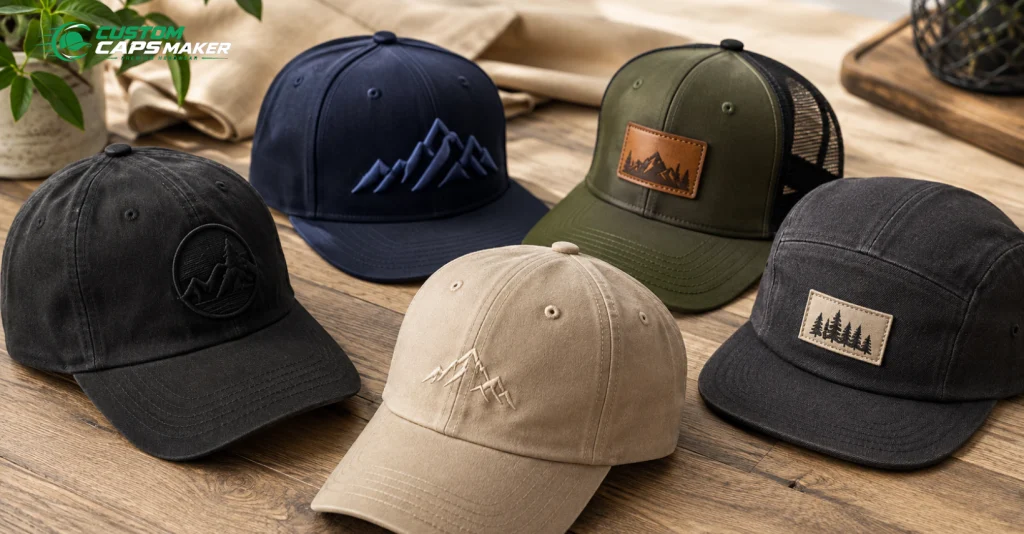
When people think about promotional merchandise, custom caps are usually one of the first products that come to mind. They are practical, fashionable, and offer excellent brand visibility. Yet despite their popularity, many branded caps end up sitting on desks, tucked away in drawers, or forgotten in storage boxes.
Why?
Because most companies design caps for their business instead of designing caps for the people who will actually wear them.
There is a significant difference.
A cap that simply displays a company logo isn’t necessarily something someone wants to include in their everyday wardrobe. On the other hand, a well-designed custom cap becomes part of someone’s personal style. It gets worn to football matches, weekend trips, outdoor events, festivals, holidays, and daily errands. Every time it is worn, your brand receives genuine exposure without feeling like an advertisement.
At Custom Caps Maker UK, we’ve worked with businesses, clothing brands, sports teams, charities, schools, hospitality companies, and promotional agencies across the United Kingdom. One lesson remains consistent across every project:
People don’t wear logos. They wear products they genuinely like.
That philosophy is what separates successful branded merchandise from products that never leave their packaging.
In this comprehensive guide, we’ll explain exactly how to design custom caps that customers, employees, and supporters genuinely want to wear.
Why Designing Wearable Caps Matters
A custom cap isn’t just another promotional product.
It’s a fashion accessory.
People carefully choose what they wear every day. If a cap doesn’t suit their style, colour preferences, or fit comfortably, it simply won’t become part of their wardrobe.
That means every design decision matters.
Instead of asking:
“How big should our logo be?”
Successful brands ask:
“Would someone wear this even if our logo wasn’t on it?”
That’s the question worth answering.
The most effective branded caps look like retail products first and promotional merchandise second.
The Difference Between a Promotional Cap and a Fashion Cap
Many businesses unknowingly design promotional products instead of lifestyle accessories.
Here’s the difference.
Promotional Cap
- Oversized logo
- Bright corporate colours
- Cheap materials
- Generic shape
- Basic embroidery
- Looks like free merchandise
People appreciate receiving it but rarely wear it.
Fashion Cap
- Premium fabric
- Comfortable fit
- Balanced branding
- Modern colours
- Quality embroidery
- Stylish silhouette
People wear it because they genuinely like it.
The branding becomes secondary.
Ironically, that’s exactly why it gets seen more often.
Start with the Right Purpose
Before opening design software or selecting thread colours, define why you’re creating the cap.
Different goals require different designs.
For example:
Company Merchandise
Employees need something professional but comfortable enough to wear every day.
The branding should be subtle while maintaining a polished appearance.
Clothing Brand
Fashion comes first.
The cap should reflect your brand identity and current trends rather than functioning as an obvious advertisement.
Event Merchandise
Festivals, exhibitions, charity events, and sporting competitions often require bold branding because visibility is important.
However, the cap should still remain wearable after the event.
Retail Products
If you’re selling custom caps online, customers expect quality comparable to leading fashion brands.
Every design element from stitching to fabric selection must support that expectation.
Choosing the Right Cap Style
Perhaps the most important decision you’ll make is selecting the right cap style.
Even an excellent logo can feel out of place on the wrong silhouette.
Let’s look at the most popular options.
Dad Caps
The dad cap has become one of the UK’s most popular styles.
Its relaxed construction, curved brim, and soft crown make it incredibly comfortable.
Unlike structured caps, dad caps develop character over time, making them feel personal rather than promotional.
They’re ideal for:
- Coffee brands
- Lifestyle businesses
- Creative agencies
- Universities
- Independent retailers
- Charities
- Small businesses
A small embroidered logo on a washed cotton dad cap often feels far more premium than a large embroidered logo on a cheaper structured cap.
Snapback Caps
Snapbacks remain a favourite for streetwear and modern fashion labels.
Features include:
- Flat visor
- Structured front panels
- Adjustable plastic snap closure
- Bold appearance
They work particularly well for:
- Clothing brands
- Gaming companies
- Music merchandise
- Sports organisations
- Fitness brands
Because of their structured shape, snapbacks also support large embroidery exceptionally well.
Baseball Caps
Classic baseball caps remain one of the safest choices.
They’re universally recognised and suit almost every audience.
Advantages include:
- Timeless design
- Comfortable fit
- Suitable for all ages
- Excellent embroidery surface
- Professional appearance
Businesses looking for maximum versatility often choose baseball caps because they appeal to a broad customer base.
Trucker Caps
Originally designed for practicality, trucker caps have become a fashion statement.
Their mesh back provides excellent ventilation, making them ideal for:
- Summer promotions
- Outdoor brands
- Breweries
- Agricultural businesses
- Adventure companies
- Automotive brands
The foam front panel also allows bold graphics and embroidery.
Five-Panel Caps
Five-panel caps have grown increasingly popular among fashion-conscious audiences.
Their cleaner front panel creates a distinctive look while offering a larger uninterrupted embroidery area.
They’re commonly used by:
- Skate brands
- Fashion labels
- Creative studios
- Tech startups
- Lifestyle companies
Minimal branding works especially well on this silhouette.
Six-Panel Caps
The six-panel design remains the most recognisable cap construction worldwide.
It provides:
- Balanced proportions
- Excellent structure
- Comfortable fit
- Reliable durability
This style is suitable for almost any industry and remains one of our most requested options.
Premium Materials Make a Premium Impression
Even outstanding artwork cannot compensate for poor-quality fabric.
Material selection affects:
- Comfort
- Durability
- Appearance
- Colour richness
- Stitch quality
- Customer satisfaction
Let’s explore the most popular fabrics.
Cotton Twill
Cotton twill is the industry standard.
It offers:
- Excellent durability
- Soft finish
- Comfortable wear
- Strong embroidery support
- Professional appearance
For many businesses, this provides the ideal balance between quality and affordability.
Washed Cotton
Washed cotton creates a more relaxed, vintage-inspired appearance.
Benefits include:
- Softer texture
- Casual look
- Broken-in feel
- Lifestyle appeal
Many premium clothing brands favour washed cotton because it doesn’t appear overly manufactured.
Canvas
Canvas offers exceptional strength.
It has a slightly heavier feel, making it suitable for:
- Workwear
- Outdoor brands
- Utility clothing
- Heritage collections
Its textured finish also gives embroidered logos extra depth.
Corduroy
Corduroy has made a significant comeback in recent years.
Its distinctive ridged texture creates a premium, retro aesthetic that appeals to fashion-focused consumers.
Ideal for:
- Autumn collections
- Boutique brands
- Independent designers
- Lifestyle retailers
Performance Fabrics
For sportswear and outdoor applications, moisture-wicking polyester blends offer practical advantages.
Features include:
- Lightweight construction
- Breathability
- Quick drying
- UV resistance
- Sweat management
These materials are excellent for running clubs, golf events, fitness brands, and corporate sports days.
Understanding Structured vs Unstructured Caps
Many people overlook this decision.
Yet it dramatically changes how a cap feels.
Structured Caps
These contain reinforcement behind the front panels.
Advantages:
- Maintains shape
- Better for large logos
- Premium appearance
- Professional profile
Ideal for corporate branding and bold embroidery.
Unstructured Caps
These lack internal support.
Benefits include:
- Softer fit
- Relaxed appearance
- Greater comfort
- Vintage styling
Many fashion brands now prefer unstructured caps because they feel more natural and effortless.
Think About Your Audience Before Your Logo
One of the biggest mistakes businesses make is designing for themselves.
Instead, design for your audience.
Ask yourself:
- What colours do they already wear?
- What cap styles are popular within their age group?
- Do they prefer subtle fashion or bold branding?
- Will they wear the cap every day or only occasionally?
- Does the design suit different seasons?
These questions often influence purchasing decisions more than logo size ever will.
When your audience enjoys wearing the cap, your branding travels naturally wherever they go.
That is the true value of custom headwear.
Keep the Design Simple
One of the biggest misconceptions about promotional merchandise is that more branding equals more impact. In reality, the opposite is often true.
A clean, understated design looks more premium and is far more likely to become part of someone’s everyday wardrobe.
When designing your cap, avoid trying to include:
- Large company logos
- Website addresses
- Telephone numbers
- Slogans
- Social media icons
- Multiple graphics
Trying to fit everything onto one cap usually results in a cluttered design that feels more like an advertisement than a fashion accessory.
Instead, focus on one strong visual element. A well-executed logo or a simple embroidered icon often makes a much bigger impression than a cap overloaded with information.
Your Logo Doesn’t Have to Be Huge
Many businesses believe increasing the logo size automatically increases brand exposure.
It doesn’t.
A cap with a giant logo often looks less wearable. People may appreciate the free gift but hesitate to wear it because it feels too promotional.
Smaller branding usually feels more refined.
Popular approaches include:
- A centred embroidered logo
- A minimalist icon on the front panel
- A small logo on the side
- Branding above the rear closure
- A discreet woven label
Luxury fashion brands rarely rely on oversized logos. Instead, they let quality and design speak for themselves.
Choosing the Right Decoration Method
The decoration method significantly influences the overall appearance and perceived quality of a custom cap.
Each option has its own strengths, and choosing the right one depends on your artwork and brand identity.
Embroidery
Embroidery remains the most popular option for custom caps and for good reason.
It creates a textured, premium finish that withstands years of regular wear.
Advantages include:
- Excellent durability
- Premium appearance
- Rich texture
- Fade resistance
- Professional finish
Embroidery works particularly well for:
- Company logos
- Monograms
- Sports clubs
- Schools
- Fashion brands
- Corporate merchandise
For most businesses, embroidery offers the best balance of quality and long-term value.
3D Puff Embroidery
If you’re aiming for a bold, contemporary look, 3D puff embroidery is an excellent choice.
Instead of sitting flat on the fabric, foam is placed beneath the stitching to create a raised effect.
This technique is especially popular for:
- Streetwear brands
- Sports teams
- Fashion collections
- Large initials
- Bold lettering
However, 3D embroidery is best suited to simpler artwork. Fine details and small text can lose clarity when raised.
When used correctly, it adds depth and a premium feel that immediately catches the eye.
Printed Designs
Printing is another option, particularly for detailed illustrations or colourful artwork.
It works well for:
- Full-colour graphics
- Complex artwork
- Promotional campaigns
- Temporary events
However, compared with embroidery, printed designs generally have a shorter lifespan. Frequent washing and everyday use can gradually affect the print’s appearance.
If long-term durability is your priority, embroidery remains the preferred choice.
Woven and Leather Patches
Custom patches have become increasingly popular among premium brands.
Instead of stitching the artwork directly onto the cap, the design is created separately and then attached.
Popular patch options include:
Woven Patches
Ideal for detailed logos with fine text.
Leather Patches
Offer a premium heritage-inspired appearance that suits outdoor brands, cafés, breweries, and lifestyle companies.
PVC Patches
Perfect for modern, tactical, and sports-inspired branding.
Suede Patches
Create a luxury look with a soft textured finish.
Patch caps provide a distinctive appearance while allowing more flexibility for intricate designs.
Logo Placement Makes a Bigger Difference Than You Think
Where your logo is positioned influences how people perceive the cap.
A great design can look ordinary if placed incorrectly.
Front Centre
The most traditional option.
Benefits include:
- Maximum visibility
- Balanced appearance
- Suitable for most industries
- Easy brand recognition
This placement remains the safest choice for promotional and retail headwear.
Left or Right Side
Side embroidery has become increasingly popular with fashion brands.
It feels more subtle and exclusive.
Ideal for:
- Small logos
- Initials
- Icons
- Collection branding
Many premium streetwear labels use side embroidery because it creates a more understated aesthetic.
Back Embroidery
Adding text above the rear opening is a simple way to reinforce branding without overwhelming the front.
Popular options include:
- Brand name
- Website
- Collection title
- Year established
- Short slogan
This works particularly well when paired with a small front logo.
Under the Brim
For premium retail collections, branding beneath the brim creates a hidden detail that customers appreciate.
It isn’t immediately visible but adds personality and craftsmanship to the finished product.
Choosing Colours That People Actually Wear
Colour selection influences whether someone reaches for your cap regularly or leaves it on a shelf.
Neutral colours continue to dominate because they pair effortlessly with everyday clothing.
Popular choices include:
- Black
- Navy
- Olive green
- Stone
- Charcoal
- Beige
- Khaki
- White
These shades work across seasons and suit a wide range of outfits.
Brighter colours certainly have their place, particularly for sports teams or promotional campaigns, but they should align with your audience and brand identity.
Tonal Embroidery Looks Premium
One trend that continues to grow is tonal embroidery.
Instead of using a high-contrast thread colour, the embroidery is stitched using a shade that closely matches the cap.
For example:
- Black embroidery on a charcoal cap
- Navy thread on a navy cap
- Olive embroidery on a forest green cap
- Cream thread on a beige cap
The result is subtle, sophisticated branding that feels more like premium fashion than promotional merchandise.
Contrast Should Be Intentional
While tonal designs create elegance, strategic contrast can improve visibility.
The key is finding balance.
A white logo on a black cap offers excellent readability without appearing overwhelming.
On the other hand, fluorescent embroidery on bright fabric can make the cap feel less refined.
Every colour choice should support the overall design rather than compete for attention.
Small Details Create Big Value
The highest-quality custom caps often include thoughtful finishing touches that elevate the entire product.
These details may seem minor individually, but together they create a far more premium impression.
Consider adding:
- Branded woven labels
- Interior taping with your logo
- Custom swing tags
- Printed inside labels
- Metal buckle closures
- Leather straps
- Matching eyelets
- Custom seam tape
- Premium packaging
These finishing elements help transform a standard cap into a retail-quality product.
Follow Current Trends Without Chasing Them
Fashion trends evolve, but quality design remains timeless.
Some of the most popular cap trends across the UK include:
- Minimal branding
- Earth-tone colour palettes
- Vintage washed fabrics
- Sustainable materials
- Curved brim dad caps
- Rope caps
- Corduroy caps
- Heritage-inspired embroidery
- Monochrome colour schemes
- Premium leather patches
Rather than copying trends directly, use them as inspiration while staying true to your brand identity.
Design with Everyday Wear in Mind
Ask yourself one simple question throughout the design process:
Would someone choose to wear this with their favourite outfit?
If the answer is yes, you’ve created something valuable.
If the answer is “only at a company event,” it’s worth revisiting the design.
The goal isn’t just to produce merchandise it’s to create a cap people genuinely enjoy wearing.
That approach delivers stronger brand exposure, better customer satisfaction, and a much longer lifespan for your promotional investment.
Step-by-Step Process to Design Your Own Custom Cap
Creating a high-quality custom cap isn’t just about uploading a logo. Every stage of the process plays a role in the final result.
Step 1: Define Your Purpose
Start by identifying the goal of your custom caps.
Ask yourself:
- Are they for selling as retail merchandise?
- Are they part of a company uniform?
- Will they be used for a marketing campaign?
- Are they for an event or fundraiser?
- Are they intended for sports teams or clubs?
Your objective will influence everything from cap style to decoration method and packaging.
Step 2: Choose the Right Cap Style
Now select the silhouette that best matches your audience.
Popular choices include:
- Baseball Caps
- Dad Caps
- Snapback Caps
- Trucker Caps
- Five-Panel Caps
- Six-Panel Caps
- Rope Caps
- Beanies for winter promotions
Think about where your audience will wear the cap. A lifestyle clothing brand may favour relaxed dad caps, while a sports team may prefer structured snapbacks with bold embroidery.
Step 3: Select the Fabric
Fabric choice affects durability, comfort, and appearance.
Some of the most requested materials include:
- Cotton twill
- Washed cotton
- Canvas
- Corduroy
- Polyester performance fabrics
- Recycled materials
Choosing premium materials helps create a product that customers will continue wearing long after they receive it.
Step 4: Prepare Professional Artwork
One of the most common causes of production delays is poor-quality artwork.
To achieve sharp embroidery and accurate branding, your artwork should be supplied as a vector file such as:
- AI
- EPS
- SVG
- PDF (vector)
Avoid low-resolution images downloaded from websites or social media. A blurry file often leads to poor embroidery quality and unnecessary revisions.
If you don’t have production-ready artwork, experienced manufacturers can usually help recreate or refine your design before production begins.
Step 5: Choose Your Decoration Method
Now decide how your design will be applied.
Depending on your branding, you may choose:
- Flat embroidery
- 3D puff embroidery
- Printed graphics
- Leather patches
- Woven patches
- PVC patches
- Mixed decoration techniques
Each method creates a different visual effect, so it’s worth discussing the options with your manufacturer before making a final decision.
Step 6: Review a Digital Mock-Up
Most manufacturers provide a digital preview before production begins.
This allows you to check:
- Logo size
- Placement
- Colours
- Stitch direction
- Overall balance
Although mock-ups are useful, they shouldn’t replace a physical sample.
Step 7: Approve a Physical Sample
This is arguably the most important step in the entire process.
A sample lets you evaluate:
- Fabric quality
- Fit and comfort
- Embroidery finish
- Colour accuracy
- Stitch density
- Overall appearance
Even experienced designers can be surprised by how a design looks once stitched onto fabric.
Approving a sample helps eliminate costly mistakes before full production.
Step 8: Begin Production
Once you’re happy with the sample, production can begin with confidence.
Depending on the order size and level of customisation, production typically takes several weeks.
Planning ahead gives your manufacturer enough time to focus on quality rather than rushing the process.
Common Mistakes to Avoid
Even the best designs can be undermined by avoidable mistakes. Here are some of the most common issues we see.
Choosing the Cheapest Option
Price is important, but quality should never be overlooked.
A poorly made cap reflects poorly on your brand. Investing in better materials and craftsmanship often delivers greater value over time because people continue wearing the product.
Making the Logo Too Large
A huge logo doesn’t automatically increase visibility.
Oversized branding can make a cap feel more like promotional merchandise than fashionable headwear.
Balanced, well-proportioned branding is usually far more effective.
Ignoring Colour Harmony
Choosing colours based solely on your company logo can limit wearability.
Instead, consider colours that complement everyday wardrobes while still reflecting your brand identity.
Neutral shades often outperform brighter alternatives because they’re easier to style.
Skipping the Sample Stage
This is one shortcut that rarely pays off.
A sample allows you to identify issues before production begins, saving both time and money in the long run.
Forgetting About Comfort
A stylish cap still needs to feel comfortable.
Pay attention to:
- Breathability
- Weight
- Sweatbands
- Adjustable closures
- Crown depth
- Fabric softness
Comfort is one of the biggest reasons people return to wearing the same cap again and again.
Why Businesses Choose Custom Caps Maker UK
At Custom Caps Maker UK, we understand that custom headwear should do more than display a logo it should leave a lasting impression.
Our approach focuses on combining premium materials, expert craftsmanship, and tailored customisation to help businesses create caps that people genuinely enjoy wearing.
Whether you’re launching a clothing brand, promoting a business, organising an event, or creating staff uniforms, we offer solutions designed around your needs.
When you work with us, you benefit from:
- Premium-quality materials
- Extensive cap style options
- Professional embroidery and patch services
- Custom colour matching
- Low minimum order quantities
- Experienced design support
- Reliable production timelines
- Strict quality control
- UK-focused customer service
Our goal is to help every customer create headwear that reflects their brand while delivering long-term value.
Frequently Asked Questions
What is the best type of cap for custom branding?
There isn’t a single best option. Dad caps are ideal for casual brands, snapbacks suit streetwear, trucker caps work well for outdoor businesses, and baseball caps remain the most versatile choice for general promotions.
Which decoration method lasts the longest?
Embroidery is generally the most durable option. High-quality stitching retains its appearance through regular wear and washing, making it ideal for long-term branding.
Can I order a sample before placing a bulk order?
Yes. Ordering a sample is highly recommended as it allows you to review the quality, fit, colours, and embroidery before approving full production.
What file format should my logo be?
Vector formats such as AI, EPS, SVG, or editable PDF provide the best results for embroidery and custom production.
How long does custom cap production take?
Production time varies depending on order size and customisation requirements. It’s always best to discuss timelines with your manufacturer before placing an order.
Are custom caps suitable for small businesses?
Absolutely. Custom caps help businesses increase brand awareness while providing customers and employees with a practical product they’ll actually use.
Final Thoughts
Designing a custom cap that people genuinely want to wear isn’t about following every trend or making your logo as large as possible. It’s about creating something that feels authentic, comfortable, and stylish enough to become part of someone’s everyday wardrobe.
From selecting the right silhouette and premium materials to choosing the ideal embroidery technique and refining the smallest design details, every decision contributes to the final product. When these elements work together, your cap becomes more than promotional merchandise it becomes a reflection of your brand’s quality and personality.
At Custom Caps Maker UK, we believe the best custom caps are those that people choose to wear again and again. By focusing on craftsmanship, thoughtful design, and attention to detail, you can create headwear that not only promotes your business but also leaves a lasting impression wherever it’s worn.
If you’re ready to create custom caps that combine style, comfort, and exceptional quality, our team is here to help bring your ideas to life.