
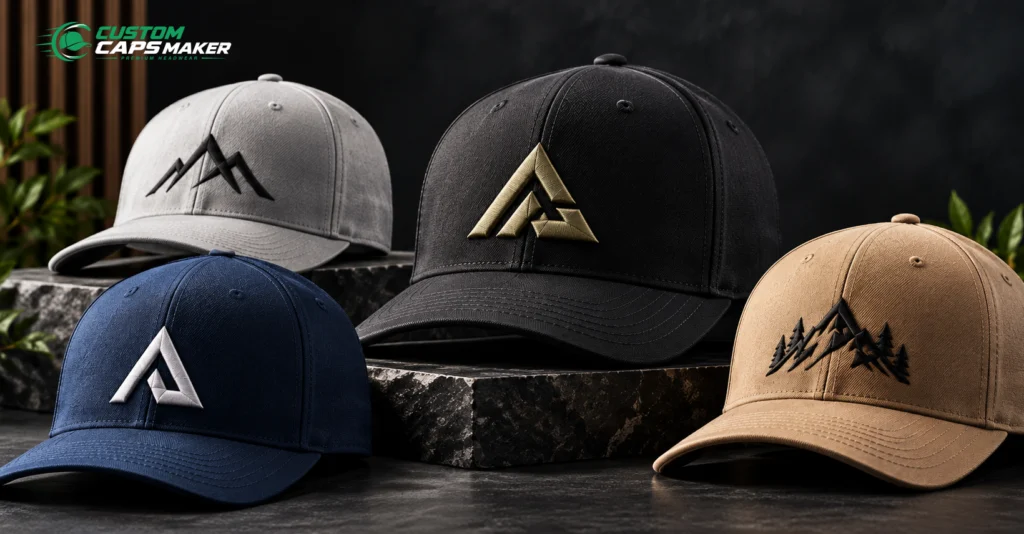
Custom headwear has become an important part of modern fashion, business branding, sportswear, and promotional merchandise. Among the many styles available, custom Flexfit caps stand out for their comfortable fit, clean appearance, and versatility. They combine the familiar look of a structured baseball cap with a flexible design that adapts to the wearer’s head, making them a practical choice for everyday use and branded apparel.
For businesses, clothing labels, sports teams, and organisations across the UK, Flexfit-style caps offer an effective way to create headwear that looks professional while remaining comfortable throughout the day. They can be customised with embroidered logos, text, distinctive colour combinations, and other branding details to suit different purposes.
At Custom Caps Maker, custom headwear can be approached as more than a simple accessory. The right cap can communicate a brand’s identity, create a consistent team appearance, and become a product that customers genuinely enjoy wearing.
In this guide, we explore what custom Flexfit caps are, how they work, which designs are available, how to choose the right style, and what to consider when ordering customised caps for your business or personal project.
What Are Custom Flexfit Caps?
Custom Flexfit caps are fitted-style caps designed to provide a secure and comfortable fit, often using stretchable fabric or an elasticated sweatband. Unlike traditional snapback caps, which rely on an adjustable plastic fastening, many Flexfit-style designs accommodate a range of head sizes through their flexible construction.
The word Flexfit is also associated with a recognised headwear brand and its particular stretch-fit technology. Therefore, when selecting caps for a custom order, it is important to distinguish between genuine Flexfit products and other stretch-fit caps with similar characteristics.
Customisation allows you to add your own visual identity to the cap. Depending on the chosen blank cap and the manufacturer’s available options, this may include embroidered logos, lettering, front-panel artwork, side embroidery, or other decorative details.
These caps are particularly suitable for people who want the neat appearance of fitted headwear without the inconvenience of a conventional adjustable strap.
Why Are Flexfit Caps Popular?
Their popularity comes from the balance between fit, appearance, and everyday practicality. The flexible construction can make the cap easier to wear, while the structured front panel on many models provides a suitable surface for displaying a logo.
Other reasons people choose them include:
- A clean, fitted appearance without a prominent rear fastening.
- Comfortable wear for everyday activities.
- A professional look for staff uniforms and branded merchandise.
- A versatile shape suitable for sports, streetwear, and casual clothing.
- Opportunities to create distinctive designs through embroidery and colour selection.
The exact fit, fabric, durability, and available customisation methods depend on the specific cap model selected.
What Makes Custom Flexfit Caps Different from Standard Caps?
Although many cap styles appear similar at first glance, their construction and fastening systems can make a significant difference to comfort and appearance.
Standard baseball caps may feature an adjustable buckle, hook-and-loop fastening, or snap closure. Traditional fitted caps generally come in specific head sizes, while stretch-fit designs use flexible materials to accommodate a range of measurements.
Custom Flexfit caps combine the appeal of fitted headwear with the opportunity to create a personalised design.
1. A Comfortable Stretch Fit
The flexible construction of suitable stretch-fit models helps the cap adapt to the wearer. This can reduce the need to adjust a rear strap whenever the cap is put on or removed.
However, stretch-fit does not mean that one cap will fit everyone. Choosing the correct size range remains essential for a secure, comfortable fit.
2. A Streamlined Appearance
Many Flexfit-style caps have a clean rear profile because they do not require a conventional adjustment strap. This gives them a polished appearance that works well with contemporary clothing and branded uniforms.
3. A Strong Surface for Branding
Structured cap designs can provide a useful area for embroidered logos, lettering, and other visual elements. The final result depends on the front-panel shape, fabric thickness, available embroidery area, and complexity of the artwork.
4. Versatility Across Different Uses
Custom Flexfit caps can suit corporate clothing, sports merchandise, clothing collections, promotional campaigns, and team apparel. The same general style can look sporty, understated, premium, or streetwear-inspired depending on the colours and branding.
Benefits of Custom Flexfit Caps for Businesses
Branded headwear can help a business maintain a consistent identity across different environments. When the cap style is comfortable and attractive, employees and customers may also be more willing to wear it regularly.
Build a Recognisable Brand Identity
A carefully designed cap can make your business easier to recognise. Your logo, colours, and typography provide visual cues that connect the headwear with your wider brand identity.
For example, a landscaping company might choose a dark green cap with restrained embroidery, while a technology company may prefer a black cap featuring a minimal white logo.
Consistency matters. Matching the cap design with your existing uniforms, packaging, and other marketing materials creates a more cohesive brand presentation.
Create a Professional Staff Uniform
Custom Flexfit caps can form part of a uniform for hospitality teams, retail employees, warehouse staff, delivery crews, tradespeople, and event personnel.
A coordinated design helps staff present a consistent appearance while making it easier for customers to identify team members. For workplaces involving machinery, food handling, or other regulated activities, the chosen cap must also meet relevant workplace hygiene and safety requirements.
Support Promotional Campaigns
Promotional merchandise can extend brand visibility beyond a single event or advertising campaign. Caps may be distributed at exhibitions, product launches, sporting events, community activities, and company celebrations.
Unlike disposable promotional items, a well-made cap can remain useful for an extended period. Its continued use may provide repeated brand exposure, although actual results depend on the quality of the product and whether recipients choose to wear it.
Develop Branded Merchandise
Businesses can also offer custom Flexfit caps as part of a merchandise collection. They are suitable for businesses that already have an engaged audience, including fitness brands, independent retailers, online stores, clubs, and lifestyle labels.
A consistent visual identity, suitable cap construction, and high-quality decoration can help create a more considered product than a generic promotional giveaway.
Strengthen Team Identity
Matching caps are useful for sports clubs, amateur teams, training groups, and organisations that attend events together. A shared design helps create a sense of belonging and makes the group easier to identify.
Names, initials, team logos, and carefully chosen colours can make the design personal without overcrowding the front panel.
Custom Flexfit Caps for Fashion and Streetwear Brands
Flexfit-style headwear is not limited to business uniforms. Its structured shape and fitted appearance also make it a natural option for fashion brands developing accessories.
For independent clothing labels, custom caps can become part of a broader product range alongside T-shirts, sweatshirts, jackets, and other branded apparel.
Minimalist Cap Designs
Minimalist designs use a limited colour palette and restrained branding. A small embroidered emblem on a black, navy, grey, or neutral cap can create an understated appearance suitable for everyday outfits.
This approach works particularly well when the logo itself is distinctive and does not need additional graphics.
Bold Streetwear Designs
Streetwear collections may use larger front embroidery, contrasting thread, unusual colour combinations, or graphic elements. The objective is to create a cap that functions as a visible part of an outfit rather than simply displaying a company name.
Before finalising a bold design, consider the cap’s front-panel dimensions and the level of detail that can be reproduced cleanly.
Premium-Inspired Headwear
A premium appearance does not necessarily require complicated artwork. Fabric quality, neat stitching, balanced proportions, and a carefully positioned logo can make a substantial difference.
Muted colours, tonal embroidery, and simple lettering can help create a more refined look.
Seasonal Collections
Caps can also support seasonal releases. Lighter colours may suit spring and summer collections, while darker tones can complement autumn and winter clothing.
Brands can use limited colourways or special embroidery to distinguish individual releases while maintaining a consistent overall identity.
Choosing the Right Custom Flexfit Cap Style
Not every stretch-fit cap has the same shape or construction. Before placing an order, identify the style that best matches your intended use.
Structured Caps
Structured caps retain a more defined front shape. They are often a strong option for logos that need a clear, consistent presentation.
Their firm front panels may work well with embroidered lettering and medium-sized logos, subject to the selected model’s construction.
Unstructured Caps
Unstructured caps generally have a softer front and a more relaxed appearance. They may suit casual clothing brands or businesses that prefer a less formal style.
However, the softer construction can affect how certain designs sit on the cap, so the decoration method should be considered before choosing the blank.
Curved-Brim Caps
A curved brim creates a traditional baseball-cap appearance. This style is often suitable for sports teams, outdoor businesses, casual uniforms, and everyday branded clothing.
Flat-Brim Caps
Flat-brim caps offer a more contemporary silhouette commonly associated with streetwear and certain sports-inspired looks.
They can provide a bold visual presentation, particularly when paired with a structured front and carefully positioned embroidery.
Low-Profile Caps
Low-profile caps sit closer to the head and generally have a less prominent crown. They may appeal to customers who prefer a subtle shape rather than a taller, more structured cap.
Availability varies by manufacturer, so confirm whether the desired low-profile model is offered in a suitable stretch-fit construction.
How to Customise Flexfit Caps
Customisation is where a standard cap becomes a product that reflects your identity. The most successful designs consider the artwork, colour, placement, and intended audience together.
1. Front Logo Embroidery
Front embroidery is one of the most popular options for branded headwear. It places the logo in a prominent position and can produce a textured, professional finish.
It is suitable for company marks, team emblems, monograms, and many forms of lettering.
For the best result, avoid unnecessarily small text and overly intricate details. Fine lines, tiny gaps, and complicated gradients may not translate well into stitched artwork.
2. Side Embroidery
Side embroidery provides an additional branding area without competing with the main front logo. Businesses might use it for initials, a short slogan, a secondary symbol, or a small decorative detail.
This can be useful when a brand wants a subtle design that looks considered from multiple angles.
3. Rear Branding
Some cap designs provide a suitable area for rear embroidery or other decorative details. Since many stretch-fit caps do not have an adjustable strap, the available rear area differs from that of a snapback.
Check the chosen cap’s construction before planning rear branding.
4. Custom Thread Colours
Thread colours can match your existing brand palette or create contrast against the cap fabric.
White embroidery on black headwear offers a crisp appearance, while tonal stitching creates a more understated effect. Bright thread colours may work well for sports clubs, youth-focused brands, and promotional campaigns.
For accurate brand reproduction, provide the correct colour references where available. Thread shades can still vary slightly from digital previews because of material and production differences.
5. Text and Lettering
Business names, short slogans, initials, and team names can all be incorporated into custom cap designs.
Keep text readable at the intended viewing distance. Long phrases may require a larger embroidery area and can become difficult to read when stitched onto a curved or relatively narrow surface.
6. Multiple Decoration Positions
Some orders benefit from a combination of front and side embroidery. For example, the front might feature the main logo while the side carries a short brand identifier.
Additional decoration increases design complexity and may affect the overall price. Discuss the placement and production requirements before approving the artwork.
Embroidery vs Printed Designs for Flexfit Caps
The decoration method influences the appearance, texture, and suitability of the finished product.
Embroidered Flexfit Caps
Embroidery uses thread to reproduce artwork directly on the cap. It creates a raised, textured finish that can complement structured headwear and provide a professional appearance.
Embroidery is often a suitable choice for:
- Company logos and staff uniforms.
- Sports teams and clubs.
- Retail merchandise.
- Monograms and short lettering.
- Clothing brands seeking a textured finish.
Its limitations include the difficulty of reproducing very fine details and smooth colour gradients. Complex designs may need to be simplified before production.
Printed Flexfit Caps
Printed decoration can be useful for artwork involving gradients, intricate illustrations, or visual effects that are difficult to reproduce with thread.
However, not every printing process works equally well on every cap fabric or curved panel. The suitability of a method depends on the material, surface, design, and production equipment.
Before selecting printing, confirm that the supplier offers a compatible technique for the exact cap model.
Which Method Should You Choose?
For many conventional business logos, embroidery is a strong starting point because of its texture and traditional headwear appearance. Printing may be more appropriate when the artwork relies on details or colour transitions that stitching cannot reproduce effectively.
The best choice is the one that suits the design, cap construction, intended use, and budget.
How to Design a Logo for Custom Flexfit Caps
A logo that looks excellent on a website does not always translate directly to embroidery. Caps have limited decoration areas, curved surfaces, and fabric characteristics that affect how artwork appears.
A little preparation can help avoid unnecessary revisions.
Keep the Main Design Clear
A strong cap logo should remain recognisable when viewed from a reasonable distance. Simple shapes, readable lettering, and a balanced layout often perform better than artwork containing too many small elements.
Consider the Front Panel
The shape and size of the front panel determine how much space is available for the design. A logo that is too wide may approach the seams, while a tall design may extend beyond the most visually balanced area.
Choose Colours Carefully
High contrast helps logos stand out, while similar shades create a more subtle result. Think about the cap colour, thread colour, and how the final product will fit into your existing clothing range.
Prepare Suitable Artwork
Vector artwork is often helpful for professional logo reproduction because it can be resized without the same loss of clarity associated with raster images. High-resolution PNG files may also be useful as a starting point.
The supplier may need to convert the artwork into an embroidery file before production. This process, commonly called digitising, determines how the machine stitches the design.
Review the Mockup
A digital mockup gives you an opportunity to assess logo size, placement, colours, and overall balance before production.
Check spelling, proportions, positioning, and any secondary details. If possible, request a preview that represents the chosen cap style rather than relying solely on a flat logo image.
How to Choose the Right Size for Custom Flexfit Caps
Fit is one of the most important considerations when ordering stretch-fit headwear. A cap that looks excellent but feels uncomfortable is unlikely to become a regular part of someone’s wardrobe.
Measure Head Circumference
Use a flexible measuring tape around the head, positioning it where the cap’s sweatband would normally sit. Keep the tape comfortably snug rather than pulling it tightly.
Compare the measurement with the manufacturer’s size chart for the exact model.
Check the Manufacturer’s Size Range
Flexfit-style caps may be available in several size ranges. Stretch construction can accommodate some variation, but it does not eliminate the need to choose the correct size.
If you are ordering for a team or customer group, collect measurements where practical and confirm the available sizes before finalising quantities.
Consider Different Wearers
An order intended for multiple employees or customers may require more than one size. Do not assume that a single size will suit every wearer.
Test the Fit When Possible
If the order is large or intended for ongoing resale, obtaining a sample can help you assess comfort, crown height, brim shape, and overall quality before committing to the full quantity.
Best Uses for Custom Flexfit Caps in the UK
The versatility of stretch-fit headwear makes it suitable for a wide range of industries and projects.
Corporate Branding
Businesses can use branded caps as part of uniforms, employee welcome packs, promotional campaigns, and corporate events.
A consistent design helps reinforce brand recognition, especially when the cap colours match the wider company identity.
Construction and Trade Businesses
Tradespeople and construction-related businesses may use caps for casual workwear, site visits, company events, and customer-facing activities.
The cap should be treated as an ordinary clothing accessory unless it is specifically certified and suitable for the relevant protective purpose. A standard baseball cap is not a substitute for required protective headwear.
Sports Clubs and Fitness Brands
Custom caps for sports club are useful for sports merchandise, team travel, training events, coaching staff, and fitness-related retail collections.
Team colours and embroidered badges can create a consistent look without requiring a complicated design.
Hospitality and Retail
Hospitality groups, cafés, independent shops, and retail businesses can incorporate branded caps into staff clothing or merchandise.
Select materials and constructions appropriate for the environment, particularly where heat, moisture, and cleaning requirements are relevant.
Events and Promotions
Custom caps for events can be produced for product launches, exhibitions, festivals, fundraisers, and community events.
For these projects, decide whether the priority is long-term wearability, event visibility, a premium appearance, or keeping costs within a defined budget.
Clothing Labels and Online Stores
Fashion businesses can develop a cap collection using a consistent logo, distinctive colourways, and suitable product photography.
Before launching, ensure the chosen blank cap, decoration method, and available sizes meet the expectations of your target audience.
What Affects the Price of Custom Flexfit Caps?
The cost of a custom cap depends on several variables. Understanding these factors makes it easier to plan a realistic budget and compare quotes accurately.
The Base Cap Model
Different cap models use different fabrics, structures, and manufacturing specifications. Premium materials or specialised constructions may cost more than basic alternatives.
Order Quantity
The quantity ordered can influence unit pricing because some setup and production costs are distributed across the order.
Larger orders may qualify for more favourable per-cap pricing, but the actual saving depends on the product, decoration, and supplier.
Embroidery Complexity
Large designs, dense stitching, multiple thread colours, and complicated artwork may require more production time.
A simple logo may be more economical than a detailed emblem containing small text and multiple intricate elements.
Number of Decoration Positions
Adding embroidery to the front, side, and rear can increase the cost compared with a single front logo.
Plan the decoration around what your audience needs rather than adding details that do not improve the design.
Sampling and Artwork Preparation
Depending on the supplier, sampling, digitising, artwork preparation, and revisions may be charged separately or included in the quoted price.
Ask what the quote covers before confirming your order.
Packaging and Delivery
Delivery charges, packaging, applicable taxes, and production lead times should also be considered when calculating the total project cost.
When comparing suppliers, look at the full cost rather than choosing solely on the lowest advertised price.
How to Order Custom Flexfit Caps from Custom Caps Maker
A well-organised ordering process makes it easier to move from an initial idea to finished headwear. At Custom Caps Maker, you can use the following steps to prepare your custom cap requirements and discuss suitable options with the team.
Step 1: Define Your Purpose
Start by identifying why you need the caps. Are they for staff uniforms, a sports club, an upcoming event, a clothing brand, or a promotional campaign?
Your intended use will help determine the appropriate cap style, material, colours, and decoration method.
Step 2: Choose Your Preferred Style
Decide whether you want a structured or relaxed appearance, a curved or flat brim, and a particular colour.
If a genuine Flexfit-branded product is important to your project, specify that requirement rather than assuming every stretch-fit cap is a genuine Flexfit model.
Step 3: Prepare Your Logo
Gather your logo files, brand colours, text, and any reference images that communicate your preferred design.
If your artwork needs adjustments for embroidery, ask about suitable file preparation and digitising options.
Step 4: Confirm Quantity and Sizes
Work out how many caps you need and whether different size ranges are required.
For a business order, consider keeping a small allowance for replacement items or new employees if your budget and minimum order requirements permit.
Step 5: Discuss Decoration and Pricing
Confirm the logo size, embroidery positions, cap model, quantity, and any special requirements.
Request a quote that clearly explains the product specification, setup costs, delivery, estimated production time, and any other applicable charges.
Step 6: Review and Approve the Design
Check the mockup carefully before approving production. Pay particular attention to logo proportions, spelling, colours, and positioning.
Any changes should be agreed before the order moves into production.
Step 7: Confirm Delivery Arrangements
Before placing the order, establish the expected production and delivery schedule. If the caps are required for a launch or event, allow sufficient time for approval, manufacture, dispatch, and potential courier delays.
Clear communication at this stage helps ensure the finished order meets your expectations.
Common Mistakes to Avoid When Ordering Custom Flexfit Caps
Even a good logo and quality cap can produce disappointing results if important details are overlooked.
Choosing a Cap Based Only on Appearance
A cap may look attractive in a photograph but feel different when worn. Fit, material, crown height, and brim shape all affect the final experience.
Where possible, review the product specification or obtain a sample.
Making the Logo Too Complicated
Small text and fine lines can lose clarity when translated into stitching. Simplifying the artwork may improve readability and reduce production complexity.
Ignoring Size Requirements
A stretch-fit design is not automatically a universal fit. Confirm the manufacturer’s sizing information, particularly when supplying a group of people.
Selecting Colours Without Checking Contrast
Thread that closely matches the cap fabric may be difficult to see. This may be intentional for tonal branding, but it is less suitable when strong logo visibility is essential.
Failing to Approve the Final Mockup
Do not rely on an informal description when the exact placement matters. Review the visual proof and ensure that all key details have been approved.
Leaving Too Little Time for Production
Custom manufacturing involves more than stitching a logo. Artwork preparation, approvals, production, quality checks, and shipping can all affect the schedule.
Plan ahead, especially for events with fixed dates.
How to Care for Custom Flexfit Caps
Appropriate care can help preserve the appearance of both the cap and its decoration.
Follow the Care Label
Always follow the manufacturer’s cleaning instructions for the specific cap. Different fabrics, sweatbands, and internal structures may require different care methods.
Clean Gently
Spot cleaning with a suitable mild cleaning solution and a soft cloth may be appropriate for some caps. Avoid aggressive scrubbing that could damage the fabric or embroidered threads.
Avoid Excessive Heat
High temperatures can affect the cap’s shape, fabric, elastic components, and embroidery. Do not assume that a cap is suitable for machine washing or tumble drying unless the manufacturer explicitly confirms this.
Dry Carefully
Allow the cap to dry naturally in a well-ventilated area, away from excessive heat. Preserve the crown’s shape while it dries.
Store Properly
Keep caps in a clean, dry location. Avoid crushing the crown or placing heavy objects on top of embroidered areas.
These simple precautions can help maintain the cap’s shape and appearance over time.
Are Custom Flexfit Caps Worth It?
Custom Flexfit caps can be a worthwhile choice when comfortable stretch-fit construction, a clean appearance, and personalised branding are priorities.
They are particularly useful for organisations that want coordinated headwear without a visible adjustment strap, as well as clothing brands seeking an alternative to standard snapback and traditional fitted designs.
However, the best option depends on your needs. If you require a one-size-adjustable product, a snapback may be more appropriate. If you need a very relaxed silhouette, an unstructured cap might be a better fit. If the project requires certified protective equipment, a standard custom baseball cap will not meet that requirement by itself.
The key is to select the cap based on its construction and intended purpose, then choose decoration that complements the product.
For businesses and brands ordering in quantity, comparing samples, checking size ranges, and approving artwork before production can help achieve a better result.
Why Choose Custom Caps Maker for Custom Headwear?
Choosing a custom cap supplier involves more than finding a product with your logo on it. You need a clear understanding of the available cap styles, decoration options, artwork requirements, quantities, and delivery expectations.
At Custom Caps Maker, your project can start with a clear brief covering the type of headwear you want, the design you have in mind, and the quantity required.
Whether you are planning branded staff caps, promotional headwear, sports merchandise, or a collection for your clothing label, a well-prepared specification helps identify the most suitable options.
Before confirming your order, make sure the selected product matches your expectations for fit, colour, construction, and decoration. A carefully reviewed design gives your brand a better chance of achieving a consistent and professional finished product.
If you are planning custom Flexfit caps for your business or next collection, prepare your logo, preferred colours, quantity, and any size requirements so that your options can be assessed more accurately.
Final Thoughts
Custom Flexfit caps bring together the practical appeal of stretch-fit headwear and the branding opportunities of personalised apparel. Their streamlined appearance, potential comfort, and suitability for embroidery make them an option worth considering for businesses, sports teams, promotional campaigns, and fashion labels.
The best results begin with the right cap model. Consider the fit, fabric, brim, crown construction, logo placement, and decoration method before approving your design. Pay equal attention to sizing, production schedules, and the total order cost.
For UK businesses looking to create distinctive branded headwear, Custom Caps Maker can be a starting point for exploring custom cap options and planning a design around your requirements.
A thoughtfully designed cap does more than display a logo. It combines brand identity with a product that people can wear, use, and incorporate into their everyday style.
Frequently Asked Questions About Custom Flexfit Caps
1. What are custom Flexfit caps?
Custom Flexfit caps are stretch-fit or fitted-style caps personalised with branding such as embroidered logos, lettering, or other available decoration. The exact construction depends on the model selected.
2. Are Flexfit caps adjustable?
Many Flexfit-style caps use stretch-fit construction rather than a conventional adjustable strap. They are generally offered in specified size ranges, so you should check the manufacturer’s sizing chart before ordering.
3. Can I add my business logo to a Flexfit cap?
Yes, many suitable cap models can be customised with business logos. Embroidery is a popular option, although the available decoration methods depend on the cap fabric, construction, and supplier.
4. Are embroidered Flexfit caps suitable for uniforms?
They can be a good option for casual staff uniforms, company events, and branded workwear. For jobs requiring specific protective equipment, confirm that the chosen headwear meets the applicable workplace requirements.
5. Can I order custom Flexfit caps in bulk?
Bulk orders may be available, subject to the supplier’s product availability and ordering requirements. Request a quote based on your chosen cap model, quantity, sizes, and decoration details.
6. What logo file should I provide?
A vector logo is often useful, while a high-resolution PNG can also help communicate the design. The supplier may need to digitise the artwork for embroidery before production.
7. How long does it take to produce custom Flexfit caps?
Production time depends on the cap model, quantity, artwork preparation, approval process, and supplier workload. Confirm the estimated production and delivery schedule before placing your order.
8. How do I choose the correct size?
Measure your head circumference and compare it with the size chart for the exact cap model. If ordering for a team, check whether multiple size ranges are available.
9. Are custom Flexfit caps good for clothing brands?
They can be suitable for clothing labels looking to expand into branded accessories. A consistent design, suitable cap construction, and carefully executed embroidery can help create a cohesive merchandise collection.
10. How should I wash a custom Flexfit cap?
Follow the manufacturer’s care instructions. Gentle spot cleaning may be appropriate for some models, but machine washing, high heat, and aggressive scrubbing can damage the cap’s shape or decoration.
11. What is the difference between Flexfit caps and snapback caps?
Flexfit-style caps commonly use stretch-fit construction, while snapbacks use an adjustable snap fastening. The better option depends on your preferred fit, appearance, and intended use.
12. Can I customise the front and side of a Flexfit cap?
Many cap models allow decoration in more than one position, but the available areas vary. Confirm the design layout and any additional costs before approving the order.